Amsterdam Canal Ring: the UNESCO World Heritage Waterway Explained
The canal ring that curls around Amsterdam's old centre is the largest and most complete example of 17th-century planned city expansion anywhere, and UNESCO recognised it as World Heritage in 2010. Here is what the ring actually is, why it matters, and how best to see it from the water.
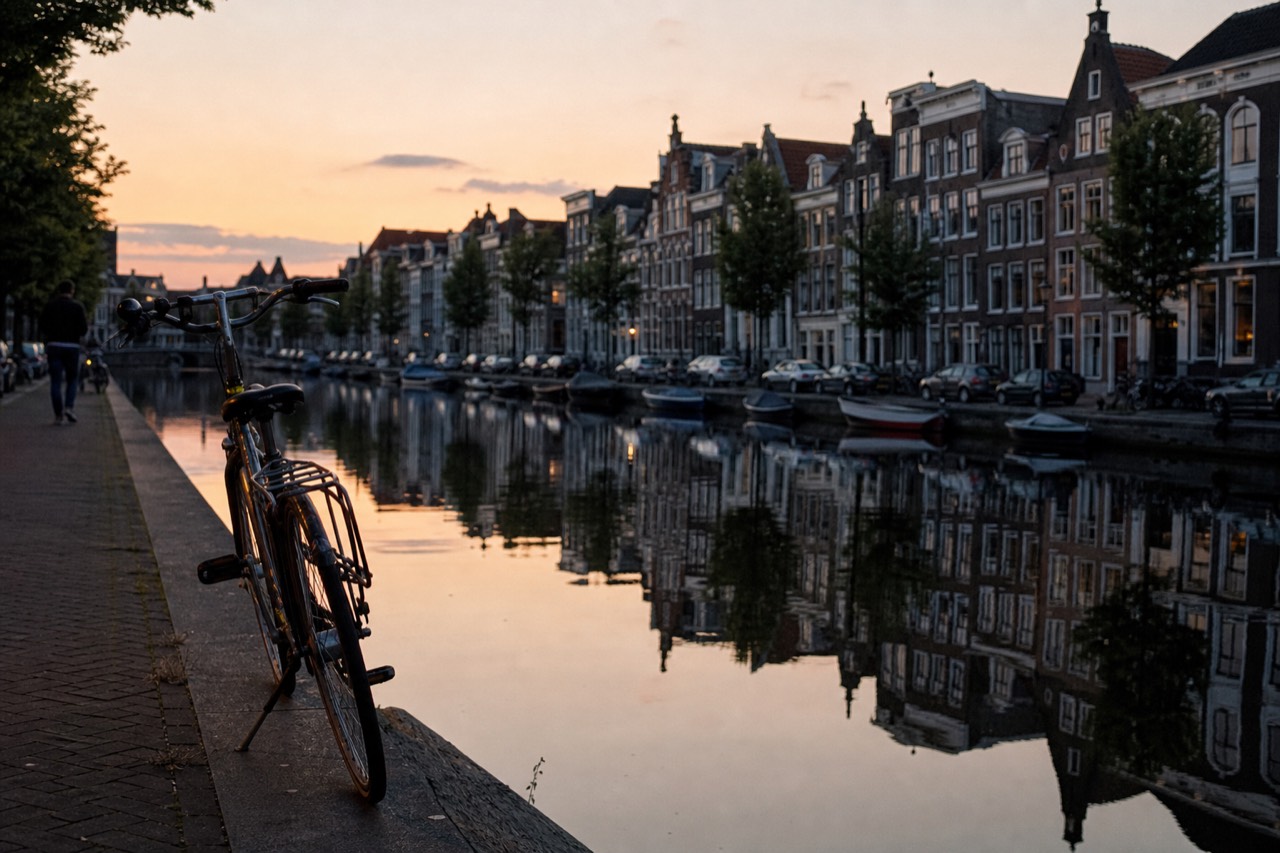
Short answer
Amsterdam’s canal ring centers on the seventeenth-century Herengracht, Keizersgracht and Prinsengracht, with the older Singel on the inner side. UNESCO inscribed the canal-ring area in 2010. A narrated sightseeing cruise is one way to see its houses and bridges from the water.
The canal ring is the reason Amsterdam looks like Amsterdam. Those graceful arcs of water, lined with narrow gabled houses, were not an accident of geography: they were a deliberate construction project, one of the most ambitious pieces of urban planning of the early modern world, and the pattern they set was copied by cities as far away as Saint Petersburg and London's Regent's Canal. UNESCO recognised the result in 2010, and the ring remains the city's single biggest draw for visitors.
This guide takes the heritage angle in full: what the ring is, why UNESCO listed it, which canals and bridges define it, and the very current political fight over how many boats should be allowed on it. For a broader, more practical overview of the whole canal system, see the Amsterdam canals guide. If you simply want to know which boat to board, the cruise recommendations further down cover the formats that suit the ring best, from a budget audio-guide cruise to a small-group all-inclusive tour.
What exactly is the Amsterdam canal ring?
The Amsterdam canal ring, the Grachtengordel, centers on the Herengracht, Keizersgracht and Prinsengracht, the great arcs of the seventeenth-century expansion, with the older Singel on the inner side and connecting radial canals between them. UNESCO describes the expansion as a model of large-scale town planning. The project drained swampland, cut waterways and created plots for houses, warehouses and streets.
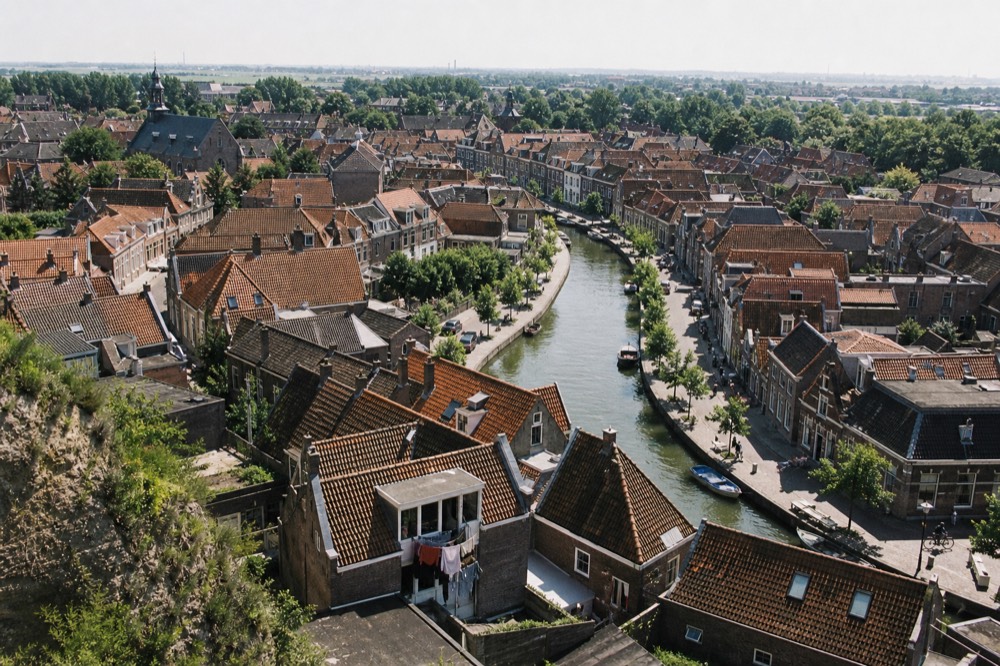
The plan was financial as much as aesthetic. The city sold long-lease plots along the new canals to wealthy merchants, who built the tall, narrow houses you still see today: plot taxes charged by frontage width, so houses went deep and high instead of wide. The Herengracht, the innermost of the three great new canals, became the address for the moneyed elite, while the Prinsengracht, the outermost, mixed grand houses with warehouses and workshops. That social layering is still readable in the architecture as you drift past.
The ring also repositioned the city's defences. The old fortified boundary moved outward to the Singelgracht, the moat outside the new belt, and the canal ring was enclosed inside it. That is why UNESCO's formal inscription name is so specific: the "Seventeenth-Century Canal Ring Area of Amsterdam inside the Singelgracht." The protected area is the ensemble, water, quays, houses and bridges together, not any single canal.
Why is the canal ring UNESCO World Heritage?
UNESCO inscribed Amsterdam's canal ring on the World Heritage List in 2010, under criteria (i), (ii) and (iv), recognising it as an outstanding example of 17th-century town planning whose concentric canal design influenced city building across Europe and beyond. The decision singled out the long-term programme of draining swampland and building a homogeneous urban ensemble of gabled houses and monuments, calling the extension "the largest and most homogeneous of its time." You can read the full case on UNESCO's official listing page.
If you are weighing a visit purely around the heritage story, a cruise through the ring is the fastest way to grasp the scale of the plan. From the water, the concentric logic reveals itself at every intersection: you pass under a bridge, cross a radial street, and the same house-silhouette rhythm resumes on the next stretch, over and over, for kilometre after kilometre. Walking the ring works too, but the design reads best from the middle of the channel looking up at the quays.

One honest note: you will sometimes see the ring described with a precise total canal length or an exact count of canals. No official source publishes an agreed figure, and the numbers floating around online contradict each other widely, so treat any specific kilometre count you read elsewhere with caution. What is well documented is the plan, the dates and the UNESCO boundary, and those are the facts worth holding onto.
How do you see the canal ring from the water?
A sightseeing cruise is a practical way to see the canal ring from water level. Compare a one-hour audio-guided introduction, a 75-minute covered loop or a cruise with live commentary according to your available time and preferred style. Boat features, departure location and selected food or drinks options matter alongside price.
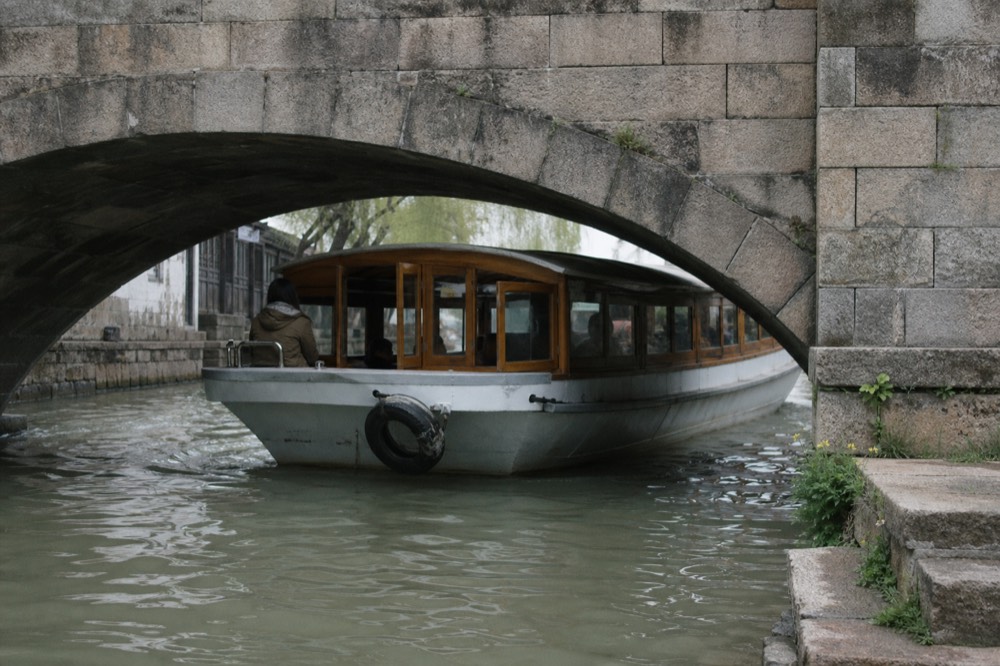
The classic audio-guided format suits visitors who want recorded context for the sights. The one-hour city-centre option offers GPS commentary in 19 languages and several departure choices. The 75-minute Blue Boat cruise has a glass roof, an onboard restroom and optional snack or wine-and-cheese packages. A live-guided electric boat offers English commentary with an optional open bar. These are distinct products, with routes and inclusions to check individually.
Which format fits also depends on when you go. Daylight shows the ring's architecture at its best, while after dark the bridges and house lights take over, so the same route delivers a genuinely different experience morning versus evening.
Which canals make up the ring?
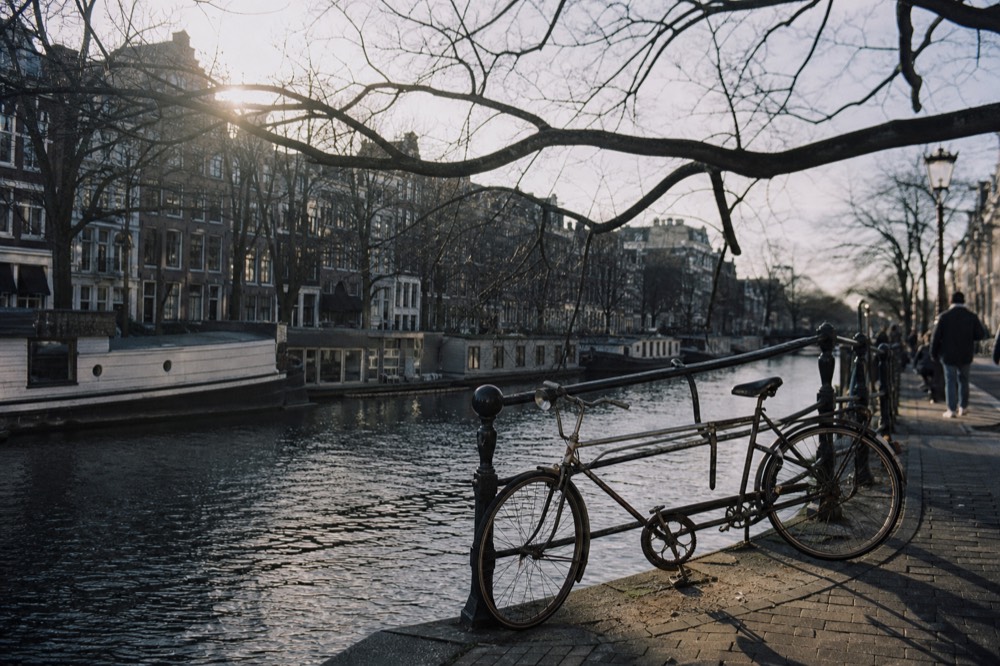
The ring’s backbone includes the older Singel and the Herengracht, Keizersgracht and Prinsengracht, the great arcs of the seventeenth-century expansion, connected by shorter radial canals such as Brouwersgracht and Leidsegracht. Each has its own character; which waterways a cruise uses depends on the selected departure and conditions.
| Canal | Position in the ring | Character |
|---|---|---|
| Singel | Innermost, medieval origin | Former city moat, now the inner boundary of the belt |
| Herengracht | First of the 17th-century arcs | The grandest address, home to the Golden Bend |
| Keizersgracht | Middle arc | The widest of the three, dignified and residential |
| Prinsengracht | Outermost arc | Liveliest stretch, houseboats and the Westerkerk |
The Herengracht is the grandest, home to the "Golden Bend" stretch where the wealthiest merchants built the most lavish facades. The Keizersgracht, the widest of the three, runs a dignified middle course. The Prinsengracht is the liveliest, lined with houseboats, cafés and the Westerkerk tower, and it carries most of the sightseeing traffic. The Brouwersgracht, a short cross-canal at the northern end, is many people's favourite single stretch, all warehouses and humpback bridges.
For a sense of how the ring sits within the city's whole water network, including the medieval moats and the 19th-century extensions outside the belt, the Amsterdam canals guide maps the wider system. The ring is the protected core, but Amsterdam's water city extends well beyond it.
What role do the bridges play in the ring's character?
The bridges give the ring its repeated pattern of crossings and water-level views. Amsterdam’s tourism board counts more than 1,200 bridges citywide and identifies the Torensluis, completed in 1648, as the oldest and widest. The low arches are a distinctive part of a canal outing, but the number passed depends on the route. The tourism board describes the crossings on iamsterdam.com.
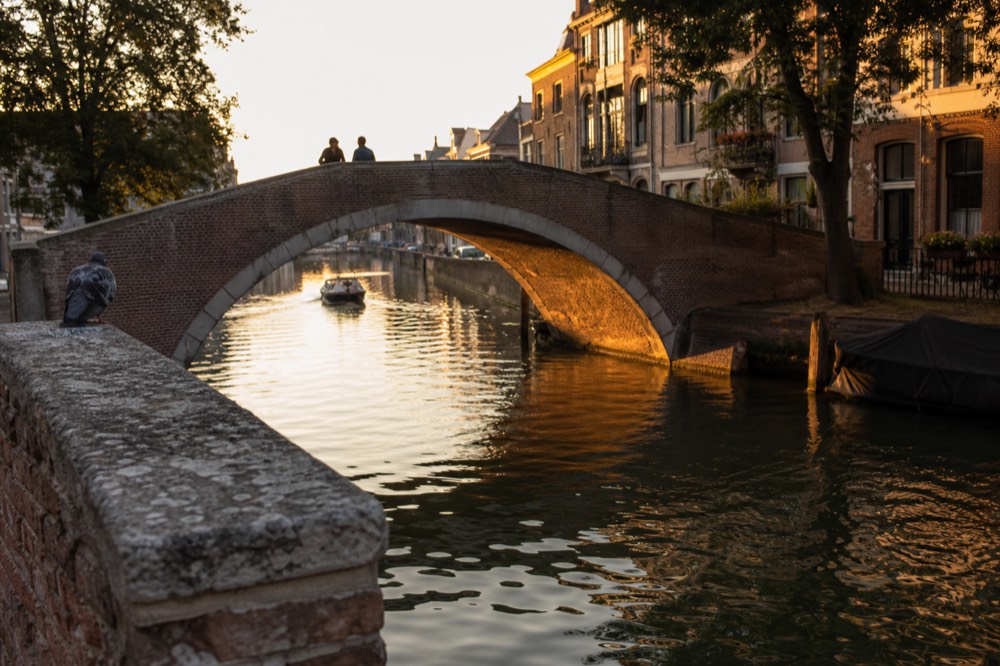
Two bridges stand out. The Torensluis, on the Singel, is broad enough that it once held a prison and now holds cafés, a scale of street-bridge that survives nowhere else in the city so intact. The Magere Brug, the Skinny Bridge over the Amstel just outside the ring proper, is the postcard drawbridge, and a locally told legend says it was named after two sisters who wanted an easier way to visit each other across the river. Most evening cruises make a point of passing it while it is lit.
The bridge count also explains a practical cruise reality: boats that run the ring are built low and narrow specifically to clear these arches. That is why the classic canal cruise launches look so compressed compared with the larger salon boats on the Amstel and the IJ, and it is part of the charm, since you pass close enough to the water to see the brickwork.
Is the canal ring under threat from too many boats?
Yes, congestion on the canals is a live and contested policy issue: Amsterdam moved in 2024 to cap passenger-boat operating permits at a maximum of 550, but the Netherlands' highest administrative court, the Council of State, struck down part of that implementation on 25 September 2024 for being under-justified, and a moratorium on new operating permits has been in place since then, extended to 1 April 2027. The city wanted the cap to fight congestion in the centre and protect the canals' heritage quality; the court ruled the city had not made it plausible that a volume policy served those goals, and that the change hit small operators disproportionately hard.
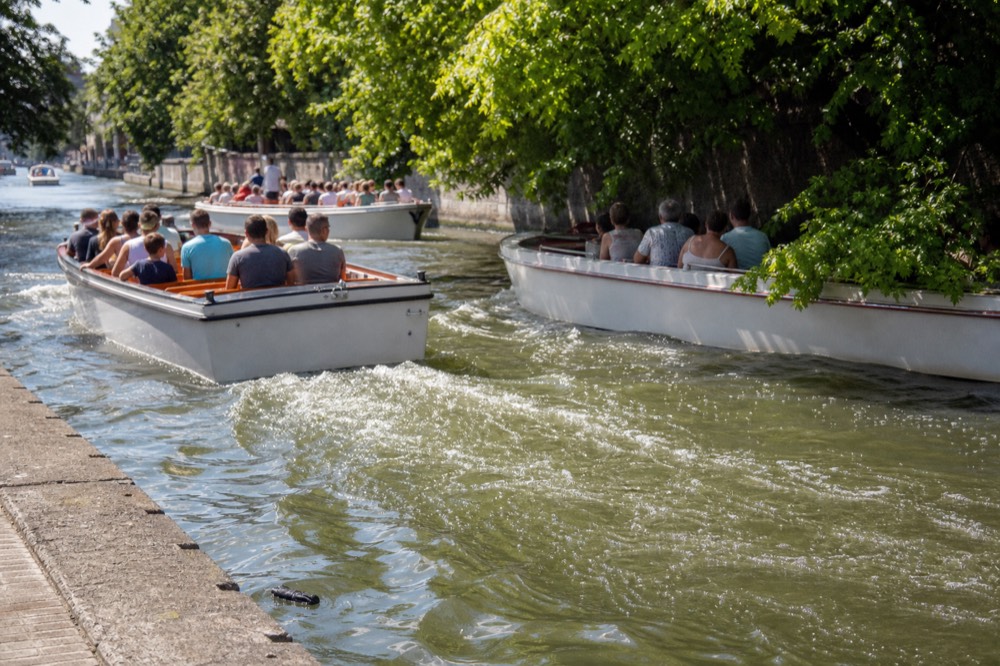
For visitors, permit policy does not establish that an operator’s fleet, route or available departures will remain unchanged. Choose a cruise from its current itinerary and ticket details. Boarding locations are also specific to the operator and option selected.
There is a financial layer too. Amsterdam charges a per-passenger "amusement levy" of €2.70 specifically on boat trips, with a lower €0.80 rate for non-motorised vessels and an exemption for the first 250 people, per the city's official 2026 tax rates (checked September 2026). Add the 12.5% overnight tourist tax on hotels and a €15 per-passenger day-tripper tax, and the city is pricing water tourism deliberately. None of this changes the experience on board, but it explains why cruise prices in Amsterdam carry a little more tax overhead than in some other canal cities.
Which cruise formats suit the ring best?
The best canal-ring cruise depends on the commentary, boat features and time on the water you want. Compare one-hour and 75-minute sightseeing loops with longer guided outings; food, drinks and private use are separate choices. Check the chosen itinerary instead of assuming every format follows exactly the same route.
| Format | Typical duration | Price range | Best for |
|---|---|---|---|
| Classic audio-guide cruise | 60–75 min by product | Check selected date | Recorded commentary and one continuous outing |
| Covered or heated cruise | Check specific product | Check selected option | Documented weather protection |
| Longer guided cruise | Product-dependent | Check selected option | More time on the water |
| Cheese-and-wine saloon boat | Product-dependent | Check tasting package | Selected food and drink inclusions |
A cheese-and-wine listing can offer a cruise-only base ticket as well as a tasting option. Check the selected package rather than using the title or review count to infer inclusions. A drinks package changes what is served, not a guaranteed route shared by every cruise.
When is the best time of year to cruise the ring?
Late spring through early autumn, roughly May to September, offers the most reliable light and open boats, but winter cruises through the ring have their own case: the bare trees reveal more of the gabled architecture, heated boats run throughout, and the Amsterdam Light Festival adds illuminated installations on the water from late November. There is no bad season for the ring itself, only trade-offs between light, crowds and comfort.
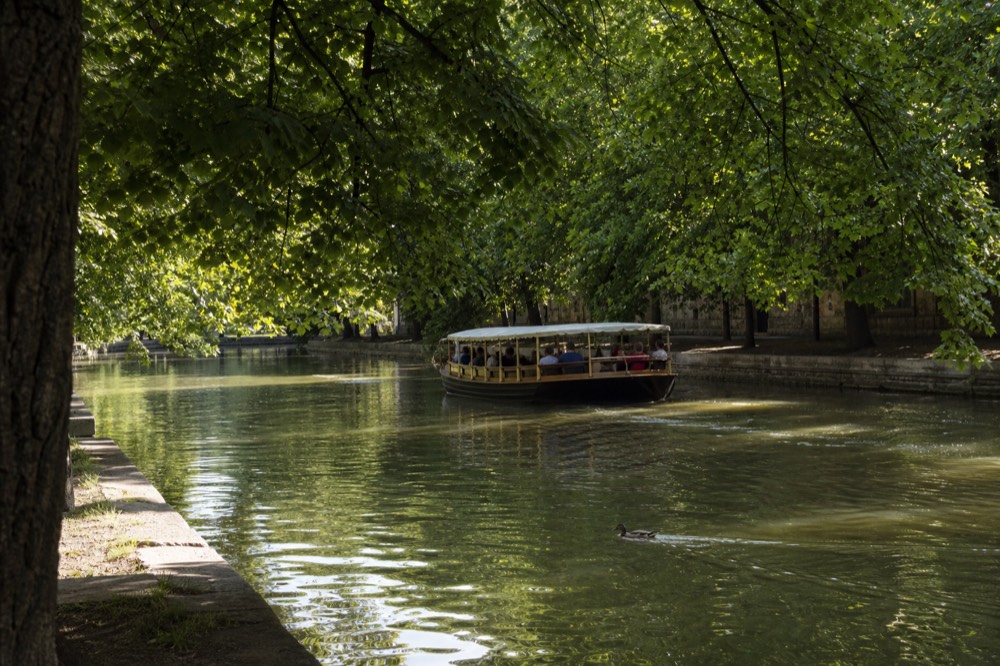
Spring and summer offer longer daylight, while colder months make weather protection more relevant. Check available departures before fitting the cruise around other plans. The seasonal light-art route by boat requires a festival-specific product; a regular cruise does not promise those installations. The guide to whether Amsterdam canals still freeze explores another aspect of the ring’s winter character.
How much does a canal ring cruise cost?
Compare actual quotes for your date and group: a basic audio-guided loop, a drinks package, a longer guided cruise and a dinner sailing include different services. Duration, departure location and boat features can differ as well as food and drink. A private charter may be priced per boat rather than per passenger.
| Format | What to compare | Price basis |
|---|---|---|
| Entry | Audio-guided continuous loop | Quote for date and party |
| Food and drink options | Selected drinks, snacks or cheese package | Quote for selected package |
| Longer guided outing | Compare duration and stated group size | Quote for date and party |
| Dinner | Selected onboard meal service | Quote for chosen menu |
The Amsterdam canal cruise cost guide explains the main comparisons. The UNESCO district is not a separate premium-access attraction: a cruise fare buys the boat experience and its stated inclusions. Route, comfort and time on board can vary between products.
Choose your commentary style and time on the water, then check the exact boat features, route and selected inclusions. Cancellation terms belong to the specific ticket rather than to the canal-ring category as a whole.
The questions below cover the essentials: what the ring is, why UNESCO listed it in 2010, which canals form it, how to see it by boat, and the current limits on canal traffic, answered from the official sources cited throughout this guide. Each answer is short and standalone, so you can jump straight to what you need.
Common questions about the Amsterdam canal ring
What is the Amsterdam canal ring?
The Grachtengordel is the historic canal belt centered on the seventeenth-century Herengracht, Keizersgracht and Prinsengracht, with the older Singel on its inner side and connecting radial canals.
Why is the canal ring UNESCO World Heritage?
UNESCO inscribed it in 2010 under criteria (i), (ii) and (iv), recognising it as the largest and most homogeneous urban extension of its time and a model of large-scale town planning that influenced city building worldwide.
Which canals are part of the ring?
The core four are the Singel, Herengracht, Keizersgracht and Prinsengracht, with cross-canal links like the Brouwersgracht and Leidsegracht stitching them together inside the Singelgracht boundary.
Can you see the canal ring by boat?
Yes. Audio-guided and live-guided sightseeing cruises cover parts of the canal-ring district. Compare their duration, departure point and route, and check the quote for your actual date.
How many bridges does the canal ring have?
Amsterdam as a whole has more than 1,200 bridges according to the official tourism board. No official source breaks down a bridge count for the ring alone, so treat ring-specific numbers you see online with caution.
Is there a limit on boats in the canal ring?
Amsterdam tried to cap passenger-boat operating permits at 550, but its top administrative court struck down part of the plan in September 2024. A moratorium on new permits now runs to 1 April 2027 while the policy is rewritten.
Match Your Plans And Compare Costs
Editorial starting point. Confirm your date, party requirements and meeting point before booking.
One-Hour Canal Cruise With Departure Options: canal cruise and audio guide Not suitable for wheelchair users
One-Hour Electric Cruise With Optional Open Bar: Electric-boat cruise; unlimited water, sodas, Heineken beer and wine only if option selected Not wheelchair accessible; Infants on laps; Maximum 30 travelers
Compare Your Actual Quotes
Enter complete totals for the same party and date, in one currency. For a private boat use the whole-boat quote; for shared tickets add every passenger. These are your quotes, not live prices.
Compare the route, time on board, meals, drinks and cancellation terms alongside the price difference.