Do the Canals in Amsterdam Still Freeze?
An honest look at how often Amsterdam's canals actually freeze today, why hard freezes are rarer than they once were, and what happens to canal cruises when it does happen.
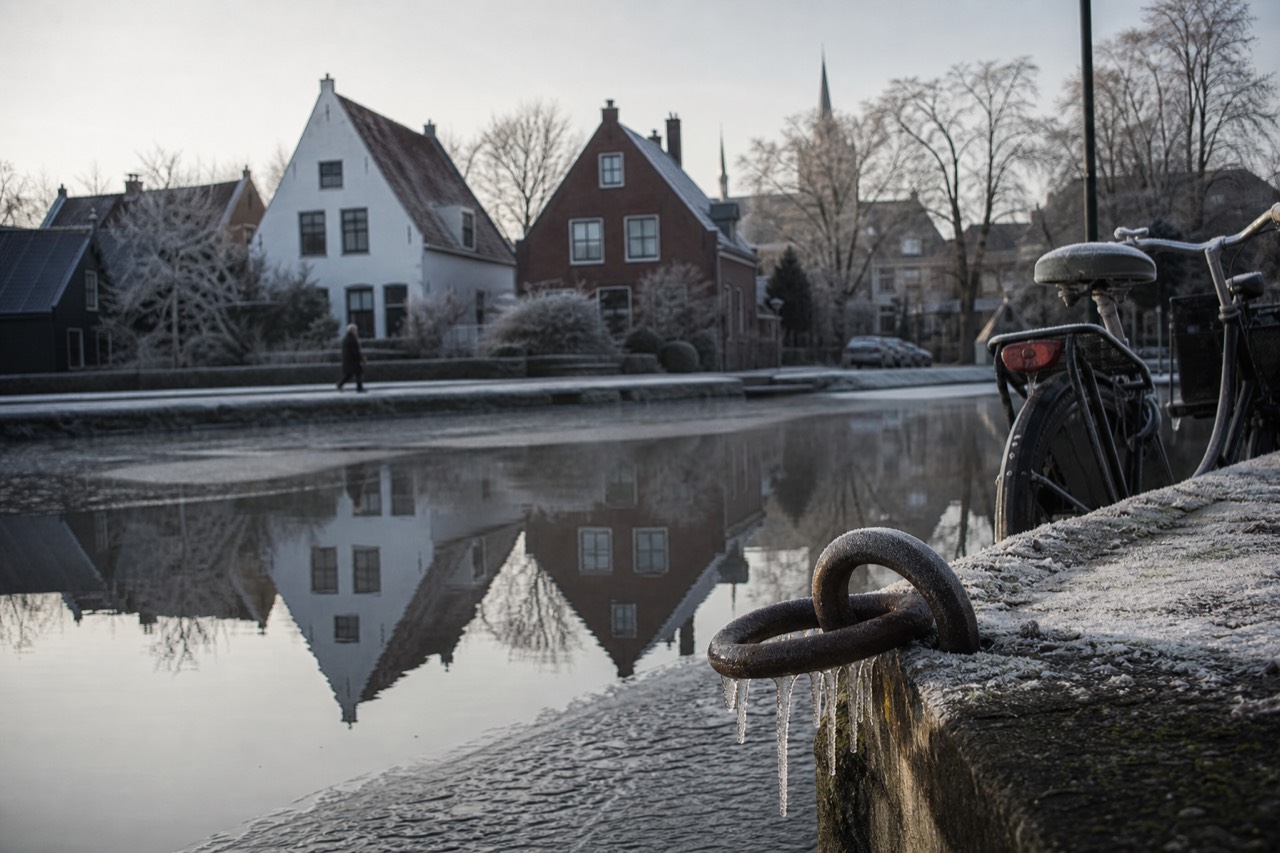
Do the Canals in Amsterdam Still Freeze?
Yes, Amsterdam’s canals can freeze during sustained cold spells, but frozen canals are not a reliable feature of a winter visit. Ice conditions vary across the waterways. A winter cruise may operate, change route or be cancelled depending on conditions and navigation restrictions; ice alone does not establish that skating is safe.
Frozen canals are an occasional winter event rather than an experience you can count on when booking a trip. Many winter visits offer cold-weather canal views from open water. When ice forms, check the latest local conditions and operator information instead of assuming either skating or normal cruising is possible.
Ice formation depends on sustained temperatures, water conditions and movement. Different canals can therefore behave differently during the same cold spell. The appearance of ice along an edge is not evidence that the whole canal is frozen or suitable for skating.
None of this makes a freeze impossible. It makes an ice-based itinerary uncertain. Winter visitors can consider a sightseeing cruise when conditions allow, including an Amsterdam Light Festival outing during the event’s dates. Festival boat departures are also subject to weather and waterway conditions.
Why are hard freezes on the canals rarer than they used to be?
Warmer winters make the sustained cold needed for canal ice less common. The Dutch weather institute KNMI reports a long-term decline in frost days and winter cold extremes. Local water conditions still matter: a brief overnight frost is not the same as a hard freeze, and sub-zero air temperatures do not establish safe skating.
Water takes time to lose heat, and currents, traffic and changing weather affect how ice develops. Conditions can differ between nearby stretches and can change quickly. A canal that looks frozen from the bank may still have weak or open areas.
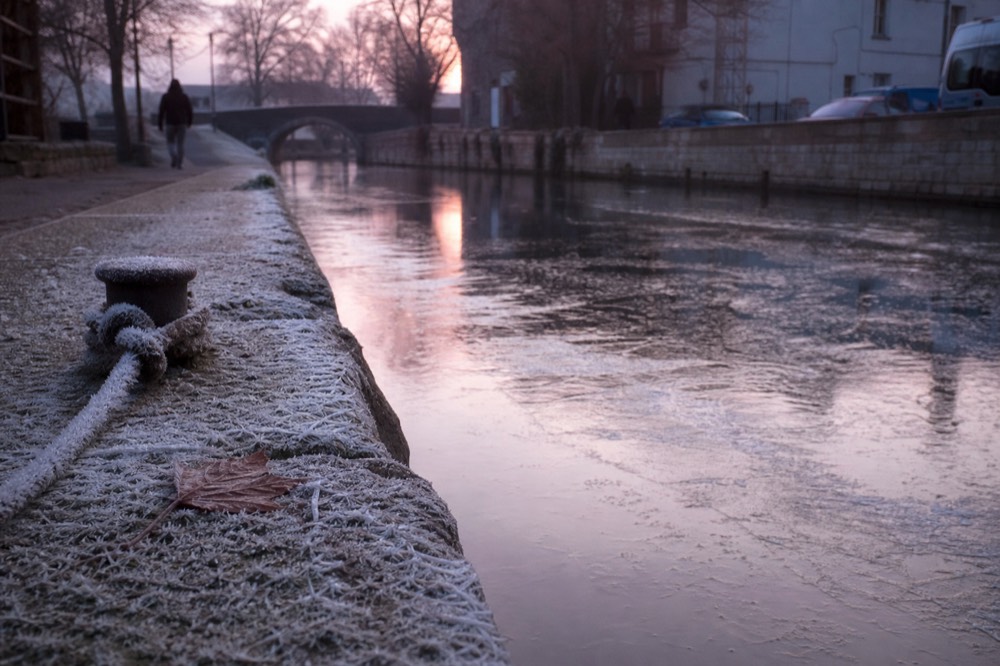
Boat traffic and other water movement can influence local ice formation. That does not guarantee that a busy canal will stay open to navigation during a severe freeze. Follow current operator and waterway information rather than making assumptions from the number of boats normally using a route.
For planning purposes, do not book a trip expecting to skate on the canals. If you plan a cruise, check the selected departure and be prepared for weather-related changes. Our cruise comparison and day versus night guide explain the usual format choices.
What happens to canal cruises when it does freeze?
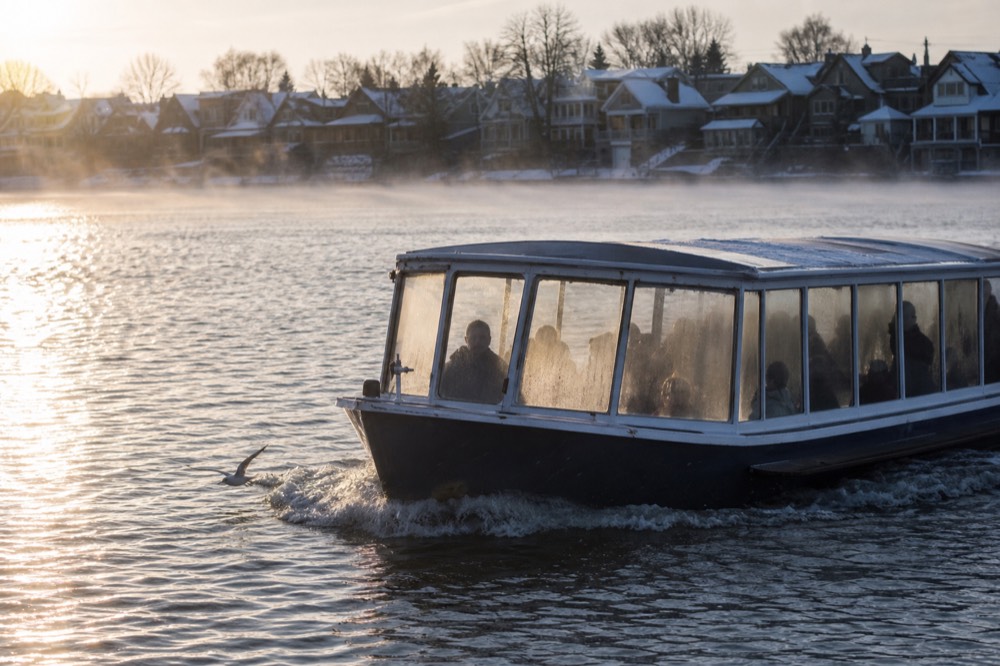
Ice can change canal-cruise routes or cancel departures. The effect depends on the actual conditions and any navigation restrictions, so check your operator before travelling to the quay. A covered or heated cabin improves comfort when a boat is operating; it does not make a departure immune to ice disruption.
A frosty day does not automatically mean that cruises stop, but neither a year-round listing nor a heated cabin guarantees operation in a freeze. The one-hour city-centre cruise describes a heated boat; Captain Jack offers a seasonal covered-boat format. Confirm the selected date, boat and boarding point in the booking details and any subsequent operator updates.
| Winter condition | Possible effect on cruises | Planning step |
|---|---|---|
| Cold, open water | Many normal departures may operate | Check your selected departure and boat format |
| Ice developing at canal edges | Conditions can vary by waterway | Check operator updates; do not infer skating safety |
| More extensive ice | Rerouting or cancellation may be necessary | Confirm operation before travelling to the quay |
| Severe freeze | Navigation restrictions or cancellations may apply | Follow current instructions and allow a flexible plan |
Winter canal views can be beautiful in clear daylight or after dark, but comfort depends on the actual boat and conditions. Choose a verified covered or heated option for cold-weather sightseeing, and keep warm clothing for boarding and any outdoor areas.
A shorter heated cruise is one option for a cold-weather sightseeing outing.
Can you skate on the canals when they do freeze?
People have skated on Amsterdam’s canals during exceptional freezes, but frozen-looking water is not proof that it is safe to enter. Treat skating as an unpredictable possibility rather than a bookable canal-cruise benefit. Follow current local guidance and do not assume that other people on the ice establish its safety.
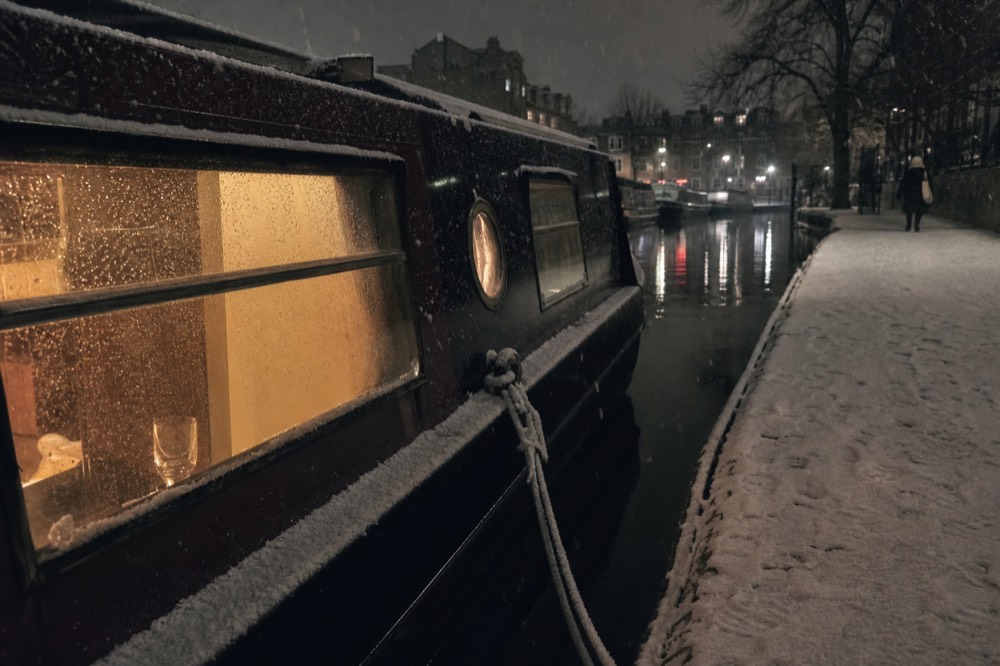
Canal skating is part of Dutch winter imagery, alongside the historic Elfstedentocht in Friesland. From Amsterdam’s banks and bridges, a freeze can also be interesting to observe without going onto the ice. The city’s canals and houseboats provide the setting, but the scene is not guaranteed for a particular trip.
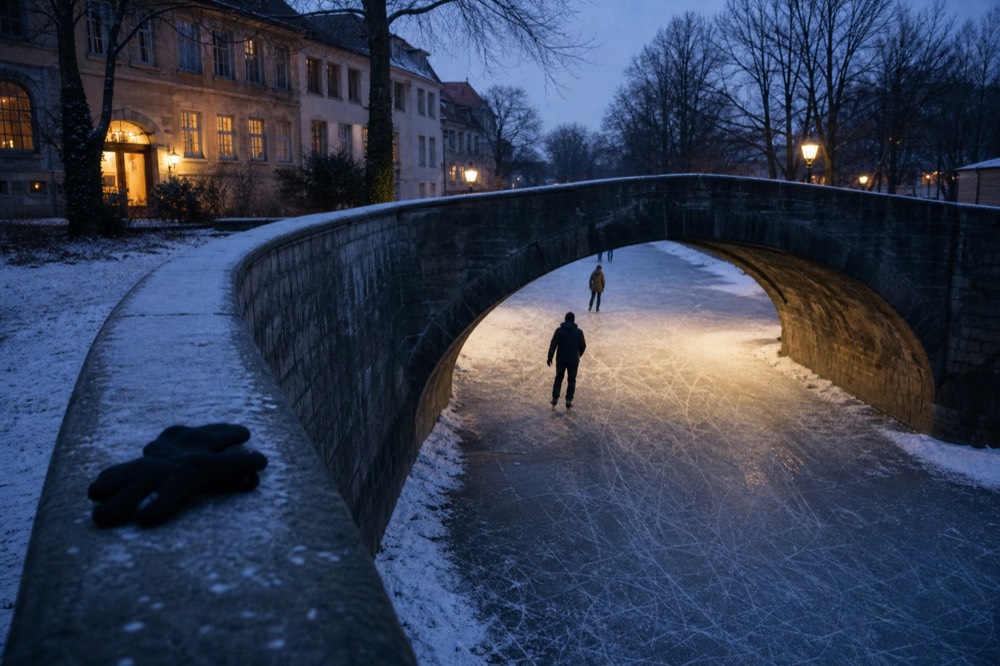
Ice strength varies and can change rapidly with weather, currents and other local conditions. A surface that looks continuous can conceal weak areas. Do not plan on entering canal ice without reliable, current local guidance, and be prepared to enjoy the winter waterways from the bank instead.
A sightseeing-cruise ticket does not include skating access or establish that canal ice is safe. Keep any ice-related plans separate from your booking and follow the current conditions on the day.
How do you enjoy the canals in winter when there is no ice?
A heated or covered cruise is one way to enjoy winter canal views when boats are operating. Choose a boat and departure with the comfort features you want, and check whether refreshments are included. Walking beside the canals remains another way to enjoy the winter setting.
The one-hour city-centre cruise describes a heated boat and audio commentary in 19 languages. Departure options include central locations near the station, Anne Frank House and Rijksmuseum; routes vary by boarding option. It is a straightforward choice when you want a shorter sightseeing outing.
Captain Jack’s canal cruise lasts about 90 minutes and includes snacks and drinks. The listing describes a covered, heated winter boat, but its seasonal wording varies, so confirm the specific boat and departure. This is a historical sightseeing outing, not a party cruise.
Compare the selected ticket totals and inclusions rather than assuming one format costs less than half another. A shorter audio-guide cruise and a longer hosted outing serve different preferences. Amsterdam Canal Cruises compares the formats so you can weigh duration, boat type and refreshments.
Dress in layers even for a heated boat, because boarding and disembarking take place on exposed quays. Check the selected boarding point and arrival instructions. If travelling with children, review the product’s eligibility and drink options; alcoholic drinks are for adults aged 18 and over.
The short version: the canals can freeze, but you cannot count on ice for a winter visit. Cruise operations depend on actual conditions; a heated or covered boat is a comfort choice, not a guarantee against disruption. The questions below explain the practical distinctions.
Common questions about frozen canals in Amsterdam
Do the Canals in Amsterdam Still Freeze?
Yes, during sustained cold spells, but not predictably enough to plan a visit around frozen canals. Conditions vary across waterways and do not by themselves establish safe skating or normal cruise operations.
Do canal cruises get cancelled when it freezes?
They can. The actual ice conditions and navigation restrictions may require rerouting or cancellation. Check operator updates for your departure before travelling to the boarding point.
When is the best time to see frozen canals in Amsterdam?
The coldest winter periods offer the possibility, but ice is never guaranteed for a booked visit. Follow current weather and local waterway information rather than relying on a month alone.
Can you skate on the Amsterdam canals yourself?
Only consider entering ice in accordance with reliable, current local guidance. Frozen-looking water and other people skating do not establish safety. Canal skating is not included with the sightseeing products here.
Which canal cruise is best in cold weather?
Compare the one-hour heated audio-guide cruise with Captain Jack’s 90-minute hosted outing. For Captain Jack, confirm the selected winter boat and departure; neither option guarantees operation during ice disruption.
Is winter a bad time to take a canal cruise?
Winter can offer atmospheric canal views. Choose the boat format and clothing for the conditions, and check operation on your actual date. Whether it is a good fit depends on your preferences and the weather.
If a freeze arrives during your trip, keep the itinerary flexible and check your booked operator’s current instructions. A sightseeing booking does not include canal skating.
Match Your Plans And Compare Costs
Editorial starting point. Confirm your date, party requirements and meeting point before booking.
One-Hour Canal Cruise With Departure Options: canal cruise and audio guide Not suitable for wheelchair users
Compare Your Actual Quotes
Enter complete totals for the same party and date, in one currency. For a private boat use the whole-boat quote; for shared tickets add every passenger. These are your quotes, not live prices.
Compare the route, time on board, meals, drinks and cancellation terms alongside the price difference.