Amsterdam Canals: A Complete Guide to the Canal Ring, Its History and How to See It
Amsterdam's canal ring is the largest and most homogeneous urban expansion of its era, a planned port city of concentric waterways that UNESCO added to its World Heritage List in 2010. This guide explains why the city was built this way, what you are actually looking at from the water, and how a cruise fits the pieces together.
Short answer
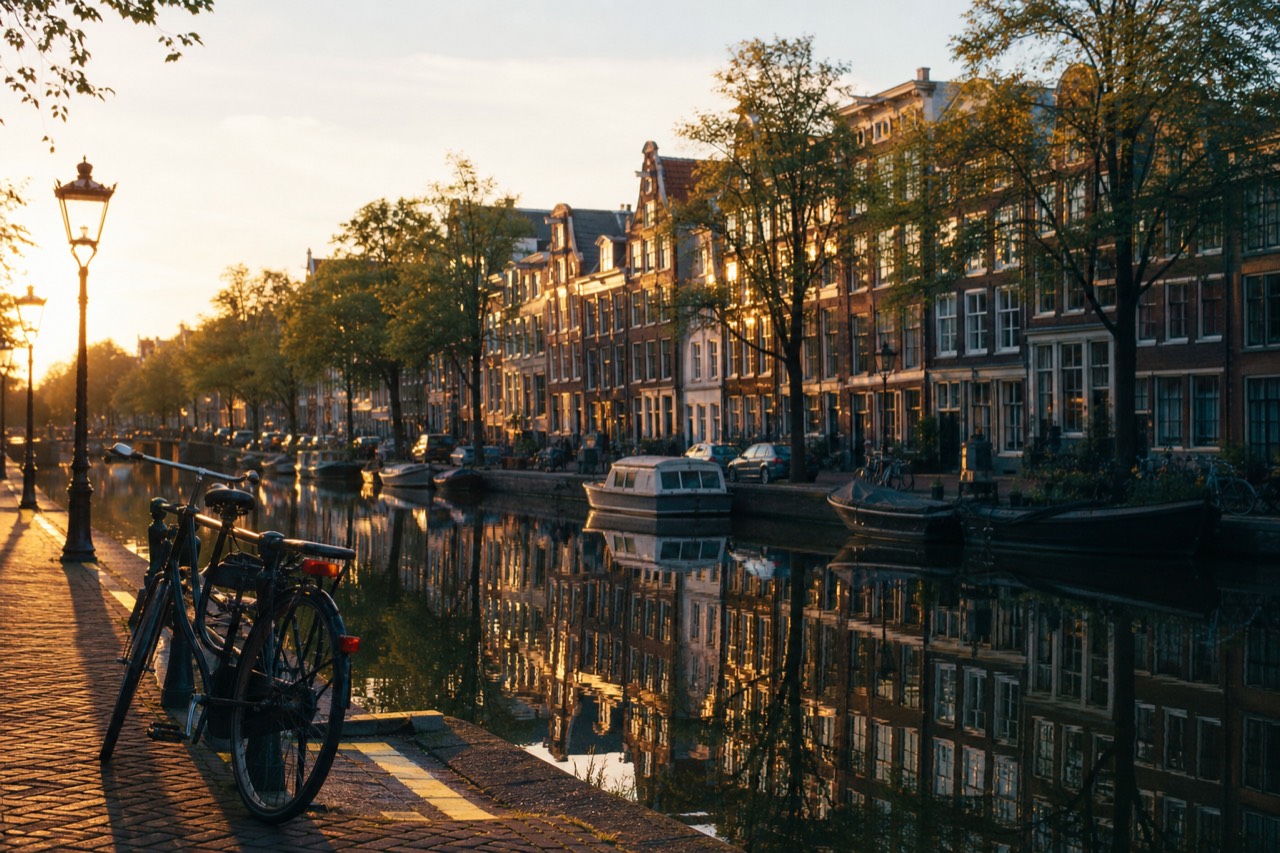
Amsterdam's canals are a planned 17th-century extension of the city: concentric arcs of waterway drained from swampland to create a new port city, inscribed by UNESCO in 2010. The city counts more than 1,200 bridges, the oldest completed in 1648. A canal cruise is the practical way to see the ring because the water level gives the view the streets cannot.
Why does Amsterdam have canals at all?
Amsterdam's canals exist because the city ran out of room and decided to grow into its own swampland, using water as the infrastructure of a planned port expansion at the end of the 16th and beginning of the 17th centuries. This was not organic drift. It was a long-term programme of draining marsh, cutting a system of canals in concentric arcs around the medieval core, and filling the intermediate spaces with developable land for gabled merchant houses. UNESCO's own description of the site calls it "the largest and most homogeneous urban ensemble of its time," a model of large-scale town planning that served as a reference worldwide until the 19th century. The canals are the skeleton of that plan, and everything else about Amsterdam's famous waterfront follows from them.
The key thing to understand is that the water came first and the streets came second. The arcs of the Herengracht, Keizersgracht and Prinsengracht were dug as the boundaries and arteries of new districts, and the plots between them were sold off to merchants who wanted warehouses, homes and status within walking distance of the harbor. The result is a ring: a belt of canals wrapping the old town to the west and south, bounded on the outside by the Singelgracht, the repositioned fortified boundary of the expanded city.
That ring is what UNESCO inscribed on the World Heritage List in 2010, under criteria (i), (ii) and (iv), as the "Seventeenth-Century Canal Ring Area of Amsterdam inside the Singelgracht." The official name matters. The heritage listing covers the ring as a whole urban ensemble, not a single pretty canal, which is why the best way to understand it is to move through the ring and see how the arcs repeat.
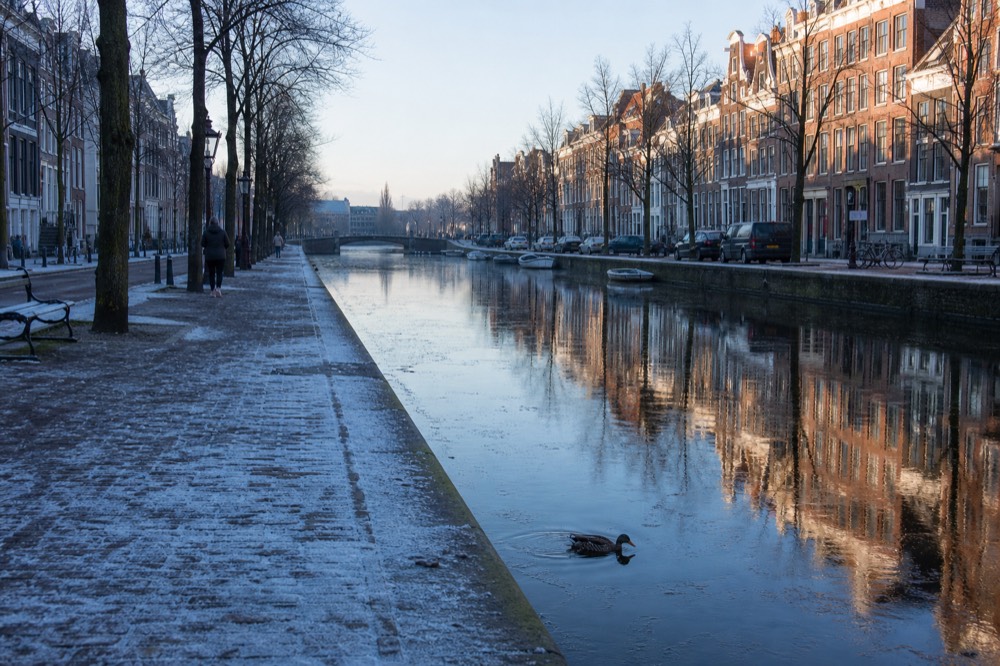
For visitors, this history has a practical consequence: the canal ring is genuinely large, and the geometry that makes it coherent from a map makes it tiring on foot. Walking one canal means missing the parallel arcs that give the ring its meaning. The water is the one vantage point from which the whole design reads at once, which is why a city centre canal cruise is the format most first-time visitors settle on. More on the practical side later; first, what you are actually looking at.
What are the main canals of Amsterdam?
The main canals of the historic ring are the Singel, Herengracht, Keizersgracht and Prinsengracht, four roughly parallel waterways curving west and south around the medieval core, each with its own character and its own era of development, together forming the concentric pattern UNESCO protects. The Singel is the innermost of the four, running closest to the old town, and it originally served as part of the city's defenses before the ring grew outward past it. The Herengracht, the first of the great new arcs, became the most prestigious address, lined with the grandest merchant houses. The Keizersgracht is the widest of the main canals, named for Emperor Maximilian, and the Prinsengracht, the outermost of the three great arcs, is the narrower, livelier one, where houseboats cluster and everyday Amsterdam feels closest to the water.
| Canal | Position in the ring | Character today |
|---|---|---|
| Singel | Innermost, closest to the medieval core | Former moat line, flower market and busy central edges |
| Herengracht | First of the great 17th-century arcs | The grandest merchant houses, including the Golden Bend stretch |
| Keizersgracht | Middle arc, the widest of the main canals | Stately and quieter, wide views between banks |
| Prinsengracht | Outermost of the three great arcs | Narrower and liveliest, dense with houseboats and cafes |
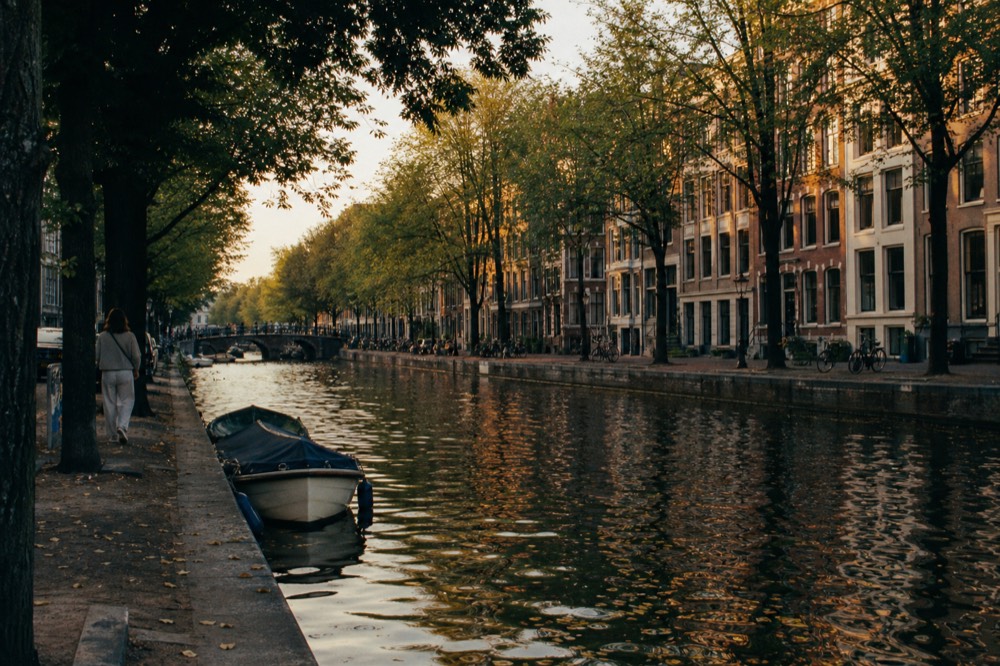
A useful mental model is to think of the ring as a tree's growth rings seen from above: each arc is a generation of the city, and the order from inside out roughly tracks the order in which Amsterdam drained and built. The differences between the canals are not subtle once you know to look for them. The Herengracht's Golden Bend section shows off the peak of merchant wealth, while the Prinsengracht, one arc further out, shows the more working scale of the same plan.
One honest note on numbers: you will see figures online for the total length of Amsterdam's canals and the number of canals in the city, and they contradict each other widely. No official source gives a single agreed total. Treat any "165 canals" or "100 kilometers" claim you encounter with suspicion, because the sites repeating those numbers do not agree with each other either. What is firmly established is the design: concentric arcs, a fortified outer boundary, and the homogeneous gabled streetscape between them.
If you want a deeper dive into each waterway, the companion piece Amsterdam's main canals explained goes canal by canal. For a first boat trip, compare commentary, departure location and time on the water.
A continuous sightseeing cruise is different from a hop-on-hop-off pass. Drinks and tasting packages change what is served on board, but they do not establish which canals a sailing will follow; compare the itinerary of the selected departure.
How many bridges cross the Amsterdam canals?
Amsterdam's official tourism board puts the count at more than 1,200 bridges, and the oldest of them, the Torensluis, was completed in 1648, which also makes it the widest bridge in the city, so nearly every view in the canal ring is framed by a crossing with its own history. The official Bridges of Amsterdam page states it plainly: "With more than 1,200 bridges, many have a story to tell." The Torensluis, spanning the Singel, was once part of a moat around Amsterdam, and its width comes from the fact that it carried an entire block, including houses, in its heyday.
The most photographed crossing is the Magere Brug, the Skinny Bridge, one of the city's most iconic drawbridges. The locally told legend is that it was named after two sisters who lived on opposite banks and wanted an easier way to visit each other, and who allegedly had the original crossing built. A legend is a legend, but it is a good one, and the bridge's double-leaf opening mechanism still lifts for taller vessels on the Amstel.
| Bridge | Claim to fame | Where to see it |
|---|---|---|
| Torensluis | Oldest bridge, completed 1648, and the city's widest | Over the Singel near the Oude Leliestraat |
| Magere Brug | Iconic wooden drawbridge with the two-sisters legend | Over the Amstel between the city centre and the Plantage |
| Blauwbrug | Ornate 19th-century crossing inspired by Parisian bridges | Connecting the Waterlooplein area to the Amstel's south bank |
From a cruise boat, the bridges are half the experience. The low arched crossings of the inner canals force boats to pass in single file, and the classic sightseeing vessels are built low and long precisely to clear them. The Torensluis's broad span, the Skinny Bridge's wooden leaves, and the endless smaller crossings give the ring its rhythm: house, bridge, house, bridge, repeated for arc after arc. The city-centre sightseeing loop threads the densest stretch of these crossings in about an hour, which is exactly why that format suits a bridge-watching first ride.
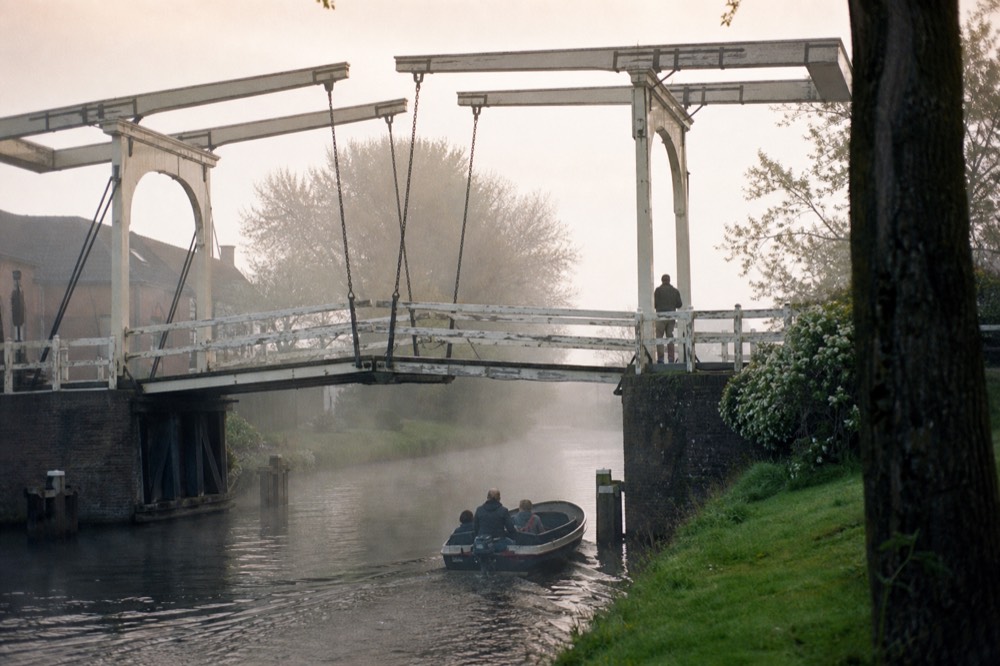
The bridge count is also why walking the ring and cruising it feel like different cities. On foot you cross the bridges; from the water you pass under them, at the height where the 17th-century engineers intended the traffic to flow. The cellar arches, the bridge stones and the water-level facades all read differently from below.
Why is the Amsterdam canal ring UNESCO World Heritage?
UNESCO inscribed the Seventeenth-Century Canal Ring Area of Amsterdam inside the Singelgracht on the World Heritage List in 2010, under criteria (i), (ii) and (iv), recognizing it as an outstanding example of large-scale town planning that was a model for cities worldwide until the 19th century. The inscription covers the canal area to the west and south of the historic old town and the medieval port, together with the Singelgracht boundary that enclosed the expanded city. UNESCO's brief synthesis describes a project for a new "port city" built at the end of the 16th and beginning of the 17th centuries, extending the city by draining the swampland and using a system of canals in concentric arcs.
The three criteria tell you what UNESCO actually valued. Criterion (i) covers the creative genius of the hydraulic and urban design itself. Criterion (ii) recognizes the exchange of ideas the plan influenced, since the concentric ring-plus-radial pattern was copied and adapted elsewhere. Criterion (iv) credits the ensemble as an outstanding illustration of a type of urban development, the merchant port city of the Dutch Golden Age. In plain terms: the listing is not about pretty views, it is about the plan, and the plan is still legible in the street pattern you can trace on any map today.
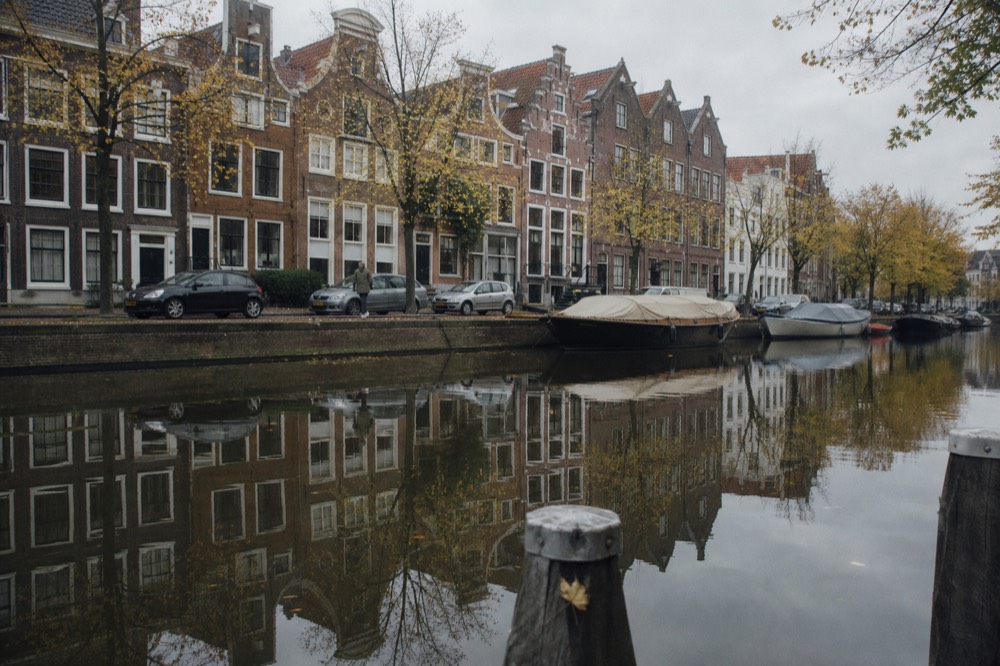

Heritage status also has a living side effect: it is one of the legal reasons the city gives for wanting to manage boat traffic on the canals, a story covered in full below. Protecting the "quality of the canals as historic heritage" was part of the city's own argument in its permit policy, which is as direct a link as you will find between a UNESCO listing and the boat you ride.
Is a canal cruise the practical way to see the canal ring?
A canal cruise is a practical way to see the ring from water level, bringing bridge arches and canal-side facades into view from a different angle than a walk. A one-hour audio-guided loop provides a compact introduction, while walking lets you stop and explore the streets at your own pace.
The city centre canal cruise with audio guide is a one-hour option with GPS commentary and several central departure choices. Routes vary by starting point, so choose the option that fits the rest of your sightseeing day.
For sizing your expectations honestly: the standard boats are enclosed glass-roofed vessels holding several dozen passengers, not private launches, and the experience is closer to a well-narrated moving viewpoint than to a small-boat outing. If you want small and intimate, the saloon-boat formats covered later trade capacity for character. If you want the ring at its most atmospheric, the evening formats trade daylight for city lights. The rest of Amsterdam Canal Cruises breaks the formats down side by side, starting with the day versus night cruise comparison.
Who lives on the Amsterdam canals? The houseboat story
Houseboats are a permanent, regulated part of the Amsterdam canal landscape, homes moored along the banks of the Prinsengracht and other waterways, though no official current count exists, with online figures ranging from roughly 2,300 to over 3,000 and no single government source stating a verbatim number. That gap is worth stating plainly because almost every article about Amsterdam repeats a houseboat count with total confidence, and the honest answer is that the sources disagree. What is certain is what you can see: entire streets of floating homes, from converted barges to purpose-built arks, each with its own mooring permit, water hookup and postal address.
The houseboat era began as a postwar answer to a housing shortage, when decommissioned cargo barges were towed into the city and moored as homes. Over decades the city tightened the rules, and today a mooring permit is scarce and the boats themselves are often substantial homes with foundations of concrete pontoons. Some of the most distinctive sit along the Prinsengracht and in the Jordaan's edges, where the outer arc's narrower water makes the floating streets feel most intimate.
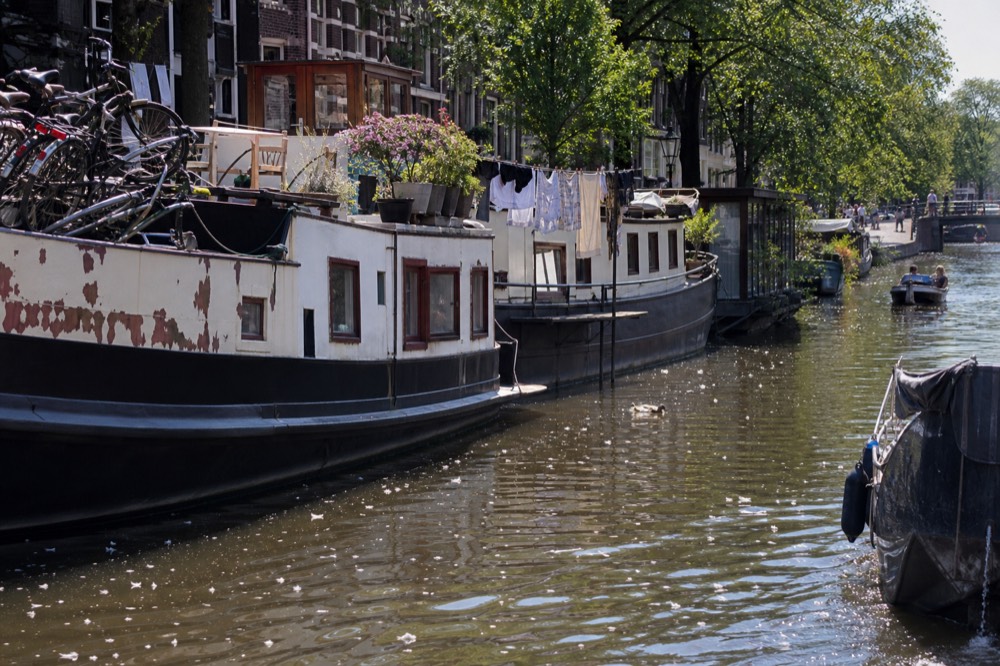
From a cruise boat, the houseboats pass at eye level, which is the only place you see them properly: their roof gardens, their cats in windows, their front doors opening straight onto the water. The companion post Amsterdam houseboats and what they are goes deeper on the history and the rules. One thing a cruise makes obvious that the street view does not: the houseboats are not scenery, they are a neighborhood, and the canal is its only road.
How is Amsterdam managing canal-boat traffic today?
Amsterdam capped new passenger-boat operating permits at a maximum of 550, but the Netherlands' highest administrative court, the Council of State, struck down part of that 2024 implementation as under-justified, and a moratorium on new operating permits has been in place since 25 September 2024, extended to 1 April 2027 while the city rewrites its policy. This is a live, contested policy fight, not settled trivia, and the honest version includes both sides. The city wanted a hard ceiling to fight congestion in the city centre and on the canals, and it argued that liveability, nuisance prevention and the heritage quality of the canals justified a volume cap. The court's ruling on 25 September 2024 found the city had not made that plausible, noting the change hit small operators disproportionately hard, and sent the city back to develop different policy.
For visitors, operating-permit policy and the timetable of a particular cruise are different questions. Check the operator’s departure details for the date you want rather than treating permit restrictions as proof that boats, routes or available capacity cannot change.
| Policy element | Status |
|---|---|
| Operating permit ceiling | Maximum of 550 permits for passenger boats, as introduced by the city |
| Court ruling, 25 September 2024 | Council of State struck down the conversion of indefinite permits to fixed-term ones as under-justified |
| Moratorium on new permits | In place since 25 September 2024, extended to 1 April 2027 |
| Boarding point allocation | Suspended indefinitely since a 17 March 2023 interim-relief ruling |
There is also a small, directly relevant tax angle. Amsterdam's official 2026 tax page lists a €2.70 per-passenger "amusement levy" specifically on boat trips, alongside €0.80 for non-motorized vessels and an exemption for the first 250 people (checked September 2026). It is a modest sum, but it shows the city treating canal traffic as a distinct activity to be metered, which fits the broader congestion story.
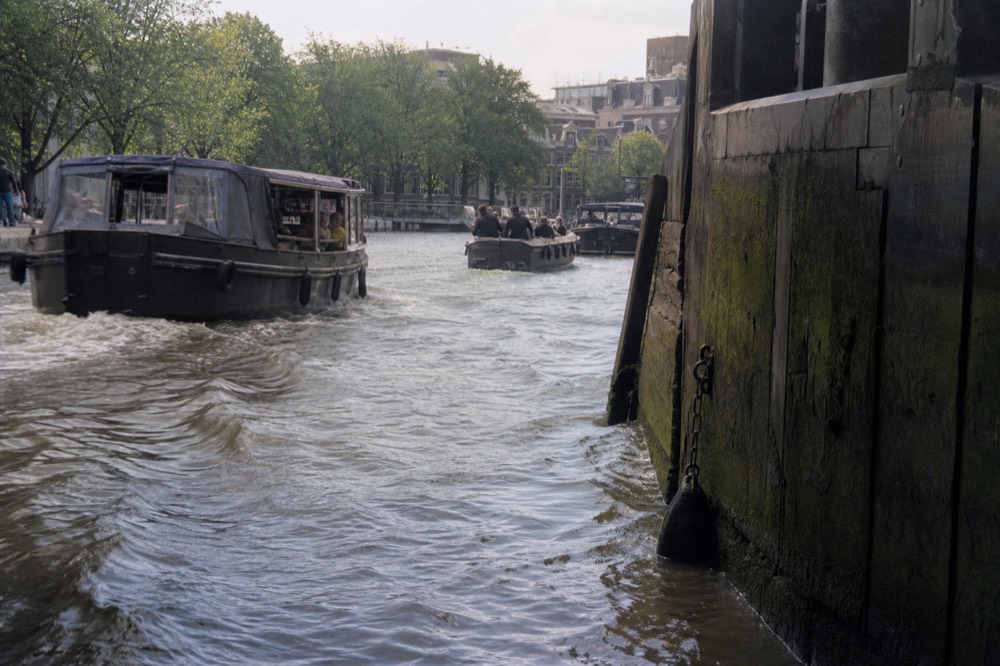
For a practical booking decision, compare the departure point, route and boat format. Permit policy alone does not establish which sailing will be quietest or whether a particular time is available.
What do Amsterdam canal cruises cost?
Canal cruise prices depend on the date, party, duration and selected inclusions. A basic sightseeing ticket, a drinks package, a dinner cruise and a private charter buy different experiences. Check whether a quote is per person or for the whole boat before comparing totals.
| Format | Example experience | Price basis | What to compare |
|---|---|---|---|
| Budget sightseeing | 75-minute audio-guided cruise | Quote for selected date | Compare route and audio language |
| City-centre standard | One-hour city-centre cruise | Quote for selected date | Several departure options |
| Saloon boat with drinks | Selected drinks-and-cheese option | Check package total | Confirm inclusions at booking |
| Evening with wine | Evening sailing with selected wine option | Check package total | Confirm departure after dark |
| Covered or heated | Choose the documented boat features | Check selected option | Compare weather protection |
| Longer guided cruise | Two-hour guided route | Check selected option | Compare time on board |
| Private charter | Boat reserved for your party | Confirm whole-boat total | Check group capacity |
Two notes on reading that table: private charters may quote per boat while shared tickets normally quote per passenger, and a low base fare may exclude the tasting or drinks option. Review volume does not establish which format suits your group.
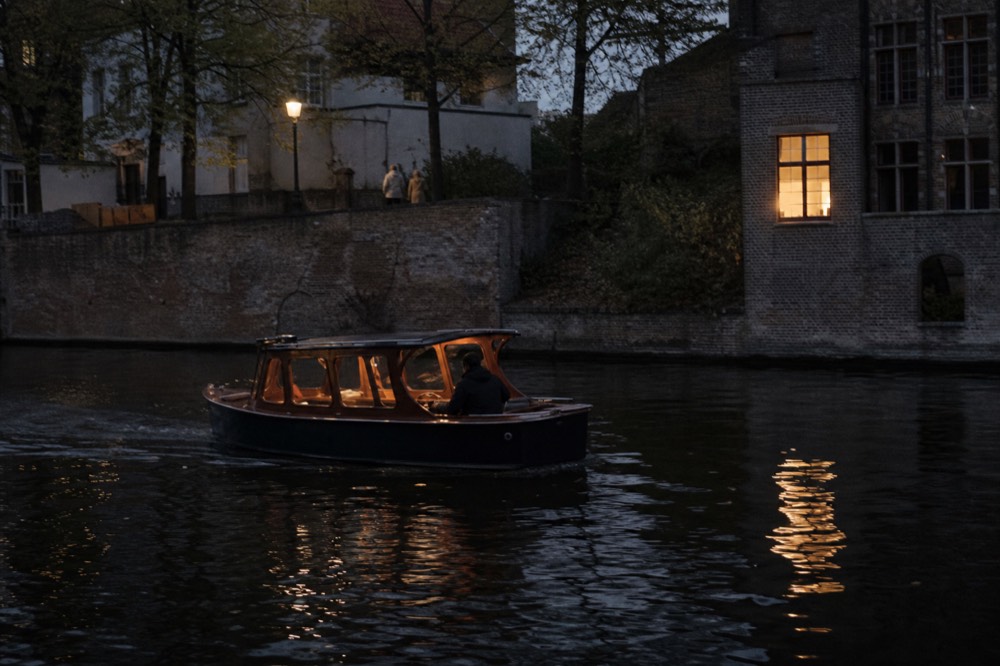
For a full breakdown by format, the companion guide Amsterdam canal cruise costs explains the comparisons. Use complete quotes for the same party and date, including any selected food or drinks package.
The cheese-and-wine format needs particular care: a listing may offer both a cruise-only ticket and a tasting option. For the cheese and wine cruise, select the exact package and confirm its included drinks rather than assuming that the product title describes every fare.
When is the best time to see the canals?
Daylight makes it easier to study canal-side architecture; after dark, illuminated bridges and reflections change the view. Choose the time that matches what you want to see, then check the selected cruise’s departure schedule and route.
Night offers a different view of the same city, with bridge lights reflected in the water. For an evening cruise, confirm that the departure falls after dark on your date and whether any wine or drinks package is included in the selected ticket.
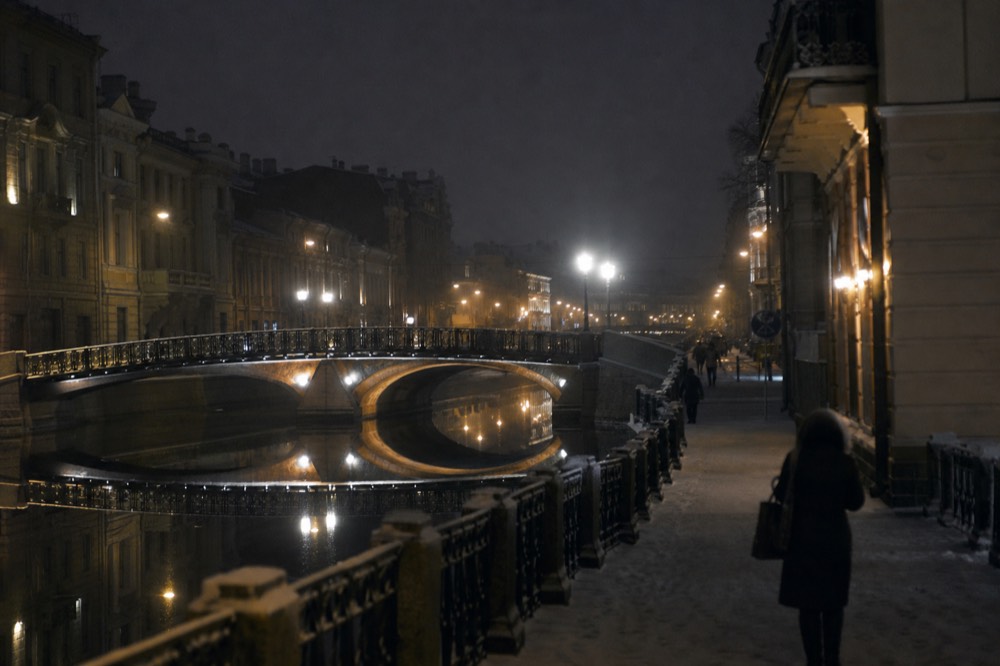
Season matters too. In colder months, compare covered or heated boats and plan for time waiting at the dock. A standard cruise is not automatically a Light Festival cruise; choose a product explicitly covering the festival route if those installations are your goal.
Whatever the hour, pick the format that matches how you want to experience the ring, then choose an actual departure that fits your day.
The questions below are the ones visitors ask most about the canal ring itself: why the canals exist, what UNESCO actually protects, how many bridges cross the water, and what the main canals are called, each answered from the official and verified sources cited throughout this guide. The answers are short and factual, and each one expands on a section above if you want the full story.
Common questions about Amsterdam's canals
Why does Amsterdam have so many canals?
The canals are a planned 17th-century port-city expansion: the city drained swampland and cut concentric arcs of waterway around the medieval core to create new land for merchant houses and warehouses. UNESCO describes it as the largest and most homogeneous urban ensemble of its time.
Is the Amsterdam canal ring UNESCO World Heritage?
Yes. The Seventeenth-Century Canal Ring Area of Amsterdam inside the Singelgracht was inscribed on the World Heritage List in 2010, under criteria (i), (ii) and (iv), recognizing the ring's town-planning significance.
How many bridges does Amsterdam have?
Amsterdam's official tourism board states the city has more than 1,200 bridges. The oldest, the Torensluis, was completed in 1648 and is also the city's widest bridge.
What are the main canals of Amsterdam?
The main canals of the historic ring are the Singel, Herengracht, Keizersgracht and Prinsengracht, four roughly parallel waterways curving around the old town, each with its own character, from the grand Herengracht to the lively, houseboat-lined Prinsengracht.
How long are Amsterdam's canals in total?
There is no official agreed figure. Online sources contradict each other on both total length and canal count, and no official primary source states a single number, so treat any specific figure you see online with caution.
Can you drink alcohol on an Amsterdam canal cruise?
On the cruises that serve drinks, yes, but the legal minimum age to buy or be served alcohol in the Netherlands is 18, and it applies on board. Several popular formats include wine, beer or an open bar; the base fare of some listings does not include drinks, so check what your ticket covers.
Match Your Plans And Compare Costs
Editorial starting point. Confirm your date, party requirements and meeting point before booking.
One-Hour Canal Cruise With Departure Options: canal cruise and audio guide Not suitable for wheelchair users
One-Hour Electric Cruise With Optional Open Bar: Electric-boat cruise; unlimited water, sodas, Heineken beer and wine only if option selected Not wheelchair accessible; Infants on laps; Maximum 30 travelers
Compare Your Actual Quotes
Enter complete totals for the same party and date, in one currency. For a private boat use the whole-boat quote; for shared tickets add every passenger. These are your quotes, not live prices.
Compare the route, time on board, meals, drinks and cancellation terms alongside the price difference.