Amsterdam Houseboats: What They Are and Where to See Them
What Amsterdam houseboats actually are, why the city has thousands of them, where to spot the best ones, and how a canal cruise doubles as a houseboat viewing route.
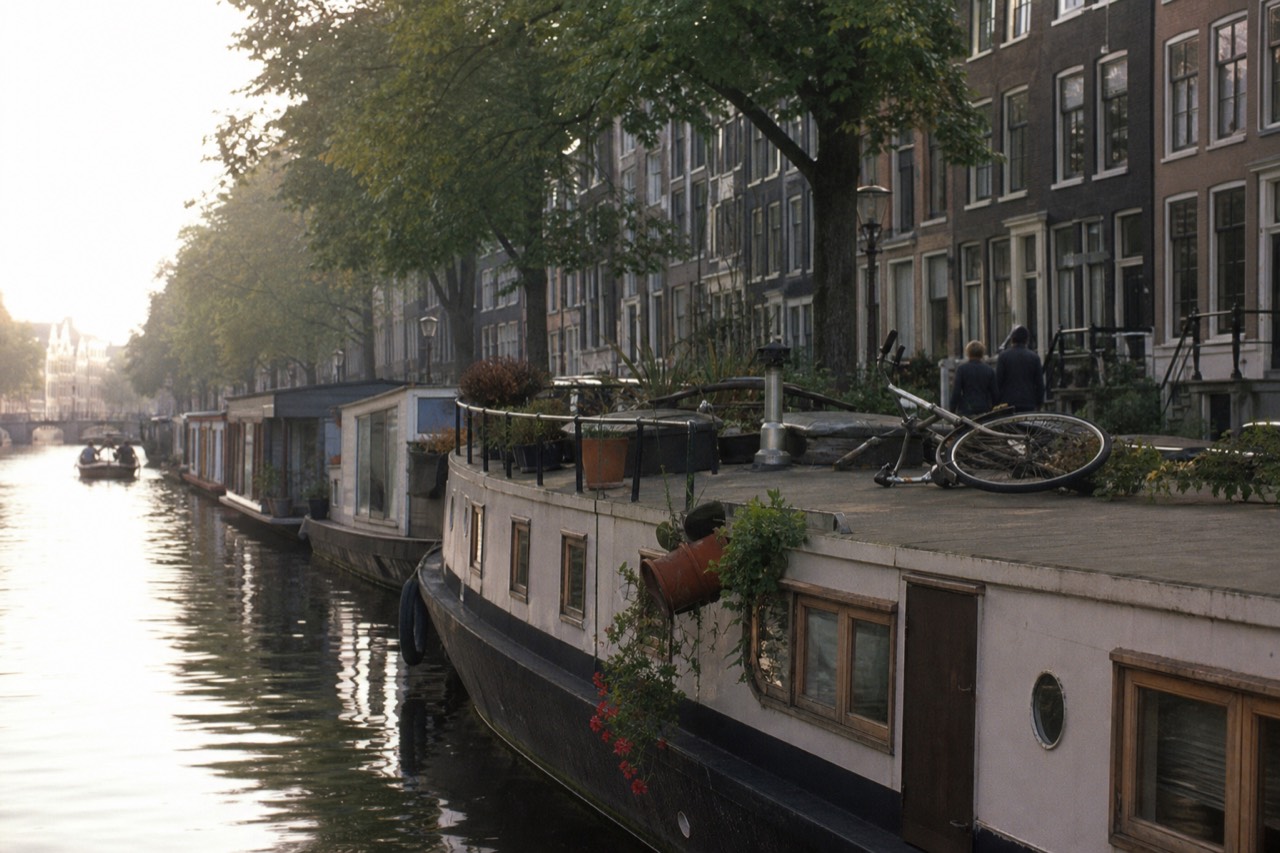
Amsterdam Houseboats: What They Are and Where to See Them
Amsterdam houseboats are floating dwellings, including converted cargo barges and purpose-built floating homes. Many are permanently moored and used as year-round residences. You can see their exteriors from canal-side streets or selected sightseeing routes, or step inside the Houseboat Museum to explore a converted barge.
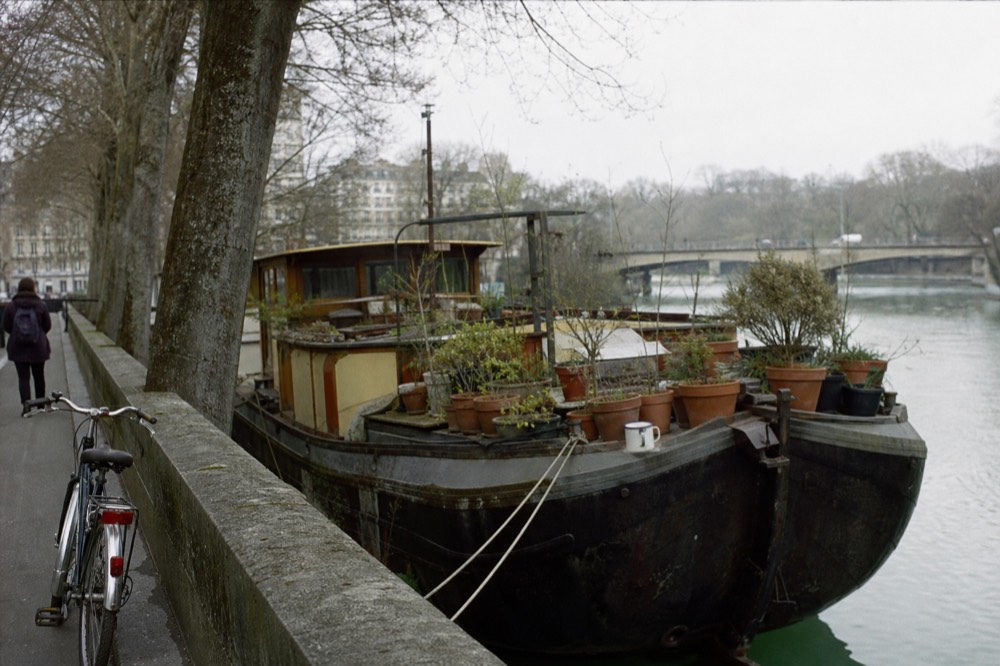
Many houseboats are ordinary homes with postal addresses and utility connections, rather than visitor attractions. Some are also rented or sold. Converted cargo vessels retain features of their working lives, while purpose-built floating homes have a different structure. Respect residents’ privacy when looking or taking photographs from the bank or water.
Amsterdam’s floating homes are part of its housing landscape. Disused cargo vessels became homes as the city’s housing needs changed, and their moorings are regulated. Ownership, mooring rights and permit transfer are separate questions; do not infer that buying a vessel automatically secures a place to live on the canals.
For sightseeing, choose an itinerary that actually names the canals you want to see. Captain Jack’s route description includes Prinsengracht and passing the Houseboat Museum; a shorter audio-guide cruise lists Prinsengracht among its route points. Neither provides access inside residents’ homes.
What exactly is an Amsterdam houseboat?
A houseboat is a floating dwelling. Amsterdam’s examples include converted barges and purpose-built arks, with different hulls, layouts and histories. Mooring arrangements are a separate part of living on the water; sightseeing tickets do not tell you about the rights attached to a particular home.
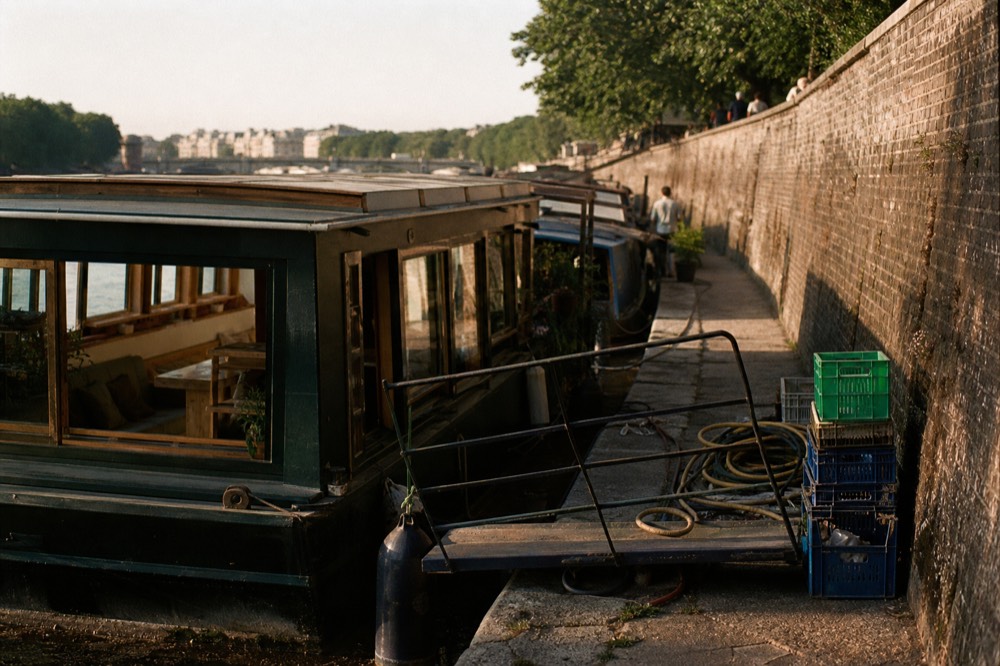
Barges are the type most visitors picture. These are steel-hulled inland freighters, typically built in the first half of the twentieth century, that once carried cargo along the Rhine and the Dutch canals. When freight moved to roads, thousands of these vessels became surplus, and Amsterdam's housing squeeze gave them a second life. The hull sits low in the water, the superstructure rises one or two storeys, and the telltale signs are a rounded bow, portholes, and often a raised deckhouse at the stern. Many owners have kept visible traces of the working life, cargo hatches, winches, or the original nameplate, alongside geraniums and a bicycle chained to the rail.
Purpose-built arks look different from working barges: their structure is designed for living rather than cargo transport. A floating foundation can support a house-like layout, while a converted vessel preserves more of its ship form. Stability and suitability depend on the individual structure; appearance alone does not establish an engineering or family-safety advantage.
Houseboat moorings and passenger-boat operations are different regulatory subjects. Rules about cruise-operator permits do not establish the number, ownership or transferability of residential moorings. This sightseeing guide does not substitute for checking the specific legal arrangements of a home offered for sale or rent.
Where can you see the best houseboats from the water?
Prinsengracht and the Amstel are useful central areas for spotting houseboats. The Eastern Docklands offers a different waterside setting, but should not be assumed to feature on a standard city-centre cruise. Choose the actual itinerary rather than expecting one short departure to cover every area.
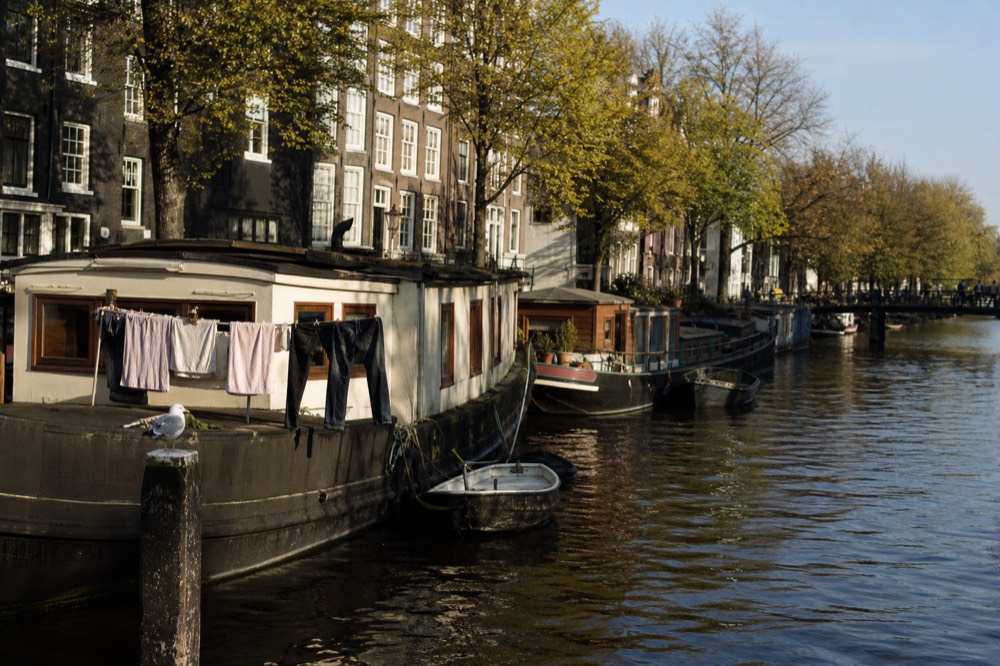
The Prinsengracht is the classic stretch. The western quay of this canal carries a near-continuous line of houseboats, many of them old barges with painted names and deck gardens, framed by the Jordaan's narrow houses and café terraces. Because the Prinsengracht is part of the UNESCO-inscribed canal ring, the Seventeenth-Century Canal Ring Area of Amsterdam inside the Singelgracht, listed since 2010, the setting does half the photographic work: a steel barge against a centuries-old gabled facade is the shot most people come home with.
The Amstel river offers a different mood. Here the houseboats are interspersed with the city's most iconic drawbridges, including the Magere Brug, or Skinny Bridge, which the official tourism board describes as one of Amsterdam's most iconic drawbridges and which carries a local legend that it was named after two sisters who wanted an easier way to visit each other across the river. River moorings are wider, so the vessels here tend to be larger and the views more open. The city overall counts more than 1,200 bridges, and the oldest, the Torensluis, was completed in 1648 and is also the widest bridge in the city, per the official tourism board's bridges page.
For the modern end of the spectrum, the Eastern Docklands, where converted ships and large arks sit among former harbor basins, show what Amsterdam's floating housing looks like when it is planned rather than improvised. Most standard canal cruises do not reach the docklands, so treat that as a walking or cycling add-on, and focus the boat portion on the ring.
The one-hour city-centre audio-guide cruise lists Prinsengracht and the Amstel among its route points, with routes varying by departure. It gives a general canal overview rather than a specialist houseboat tour or interior visit.
For a longer hosted outing, Captain Jack’s 90-minute route description includes Prinsengracht and passing the Houseboat Museum. Snacks and drinks are included; the covered, heated boat is seasonal and must be confirmed for the selected departure. It offers exterior views, not museum admission.
How many houseboats are there in Amsterdam?
Published houseboat counts vary by date and by what area or type of dwelling they include. This article does not establish a verified current city-wide total. A figure should be read with its source, date and scope, rather than treated as a precise count of every floating home you might see.
The same care applies to other frequently repeated canal statistics. An undated number can describe a different boundary or definition from another source. Not verifying a figure here is not evidence that no official count exists.
For a visitor, the more useful question is where and how to experience the homes. View exteriors from public canal-side spaces or a suitable cruise, and use the Houseboat Museum for an interior visit rather than approaching private residences.
Can you see houseboats on a regular canal cruise?
Yes, selected central canal cruises pass waters where houseboats are moored. Check the named route rather than assuming all cruises pass the same homes. The choice also depends on duration, commentary and boat format. A cruise provides exterior views; the Houseboat Museum is a separate way to look inside a converted home.
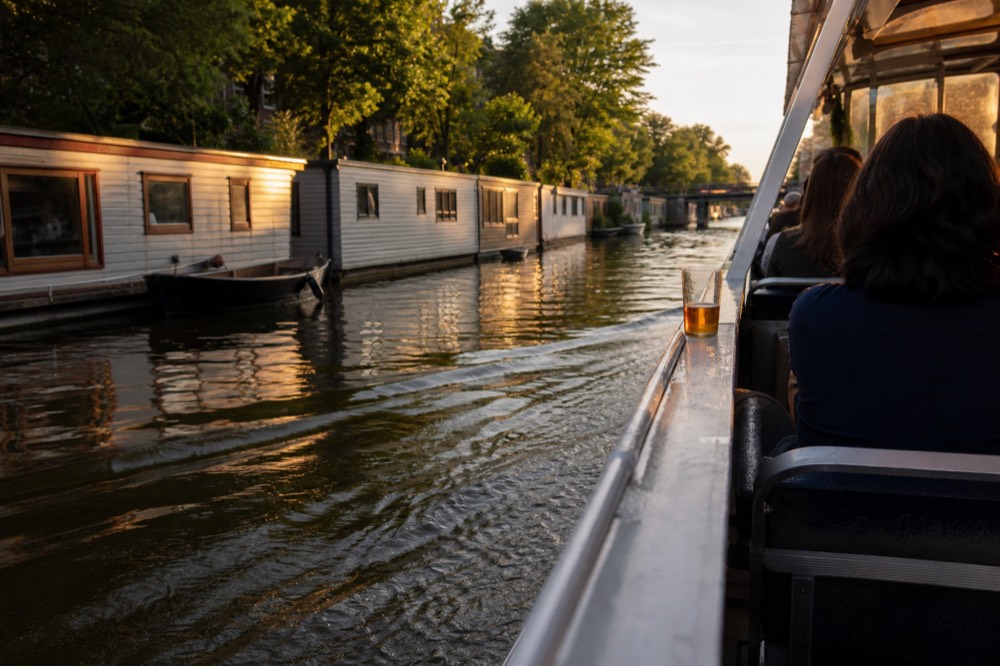
A few practical notes make the viewing better. Sit on the side of the boat facing the quays rather than the middle rows, since houseboats moor against the bank and the best detail, the deck gardens, the nameplates, the cats, is close-up. An open boat gives you better angles than a glass-topped one, but a covered boat keeps you dry, and Amsterdam will test that trade-off. Evening departures change the picture entirely: lit windows and deck lamps turn the houseboats into the warmest-looking real estate in the city, which is one reason the evening formats are popular even with passengers who have already done a daytime cruise.
The useful comparison is between verified routes and the type of visit you want. The table below distinguishes a general canal overview, a longer hosted cruise and an interior museum visit.
| Cruise | Duration | Experience | Important distinction |
|---|---|---|---|
| City-centre audio-guide cruise | 1 hour on the water | General canal overview; Prinsengracht listed | Route varies by departure; no interior visit |
| Captain Jack’s hosted cruise | 90 minutes | Prinsengracht and Houseboat Museum pass-by; snacks and drinks | Winter boat format must be confirmed; no museum entry |
| Houseboat Museum entry | Visit at your own pace within ticket terms | Inside a converted cargo barge | Steep stairs; no cruise included |
Daylight is useful for seeing hull shapes, deck gardens and other exterior details. An evening cruise offers a different view of the canal setting. Neither should be sold as access to private homes, and photography should respect residents’ privacy.
For planning the wider picture, our guide to the best canal cruise in Amsterdam breaks down the formats by budget, and the main canals explained walks through which water is which. If you are weighing costs across the whole visit, the canal cruise cost guide covers what the from-prices do and do not include.
The questions below explain floating homes, exterior sightseeing and museum entry. The key distinction is between seeing a houseboat from the canal and being invited to enter one.
Common questions about Amsterdam houseboats
Amsterdam Houseboats: What They Are and Where to See Them?
They are floating homes, including converted barges and purpose-built arks. Look for exterior views along central canals such as Prinsengracht and the Amstel, or visit the Houseboat Museum for an interior experience. Eastern Docklands should not be assumed to feature on a central cruise.
Can you rent or buy an Amsterdam houseboat?
Some are offered for rental or sale. Check the specific mooring, permit and ownership arrangements separately; buying a vessel does not automatically establish residential mooring rights. This guide focuses on sightseeing.
How many houseboats are there in Amsterdam?
This article does not establish a verified current total. Published numbers vary by date and scope; check those details before comparing figures.
Do people live on houseboats year-round?
Yes. Most Amsterdam houseboats are primary residences occupied through the winter, with utility connections and postal addresses. The vessels are heated and insulated, and many are family homes passed down or sold with their mooring.
Which canal cruise is best for seeing houseboats?
Captain Jack’s 90-minute route description includes Prinsengracht and passing the Houseboat Museum. The one-hour audio-guide cruise offers a shorter overview with routes varying by departure. Neither ticket includes houseboat interior access.
Are houseboats part of the UNESCO World Heritage area?
Many of the best-known houseboats moor along canals inside the Seventeenth-Century Canal Ring Area of Amsterdam inside the Singelgracht, inscribed by UNESCO in 2010. The houseboats themselves are not the listed heritage, but they sit against the gabled ensemble that is.
Match Your Plans And Compare Costs
Editorial starting point. Confirm your date, party requirements and meeting point before booking.
Houseboat Museum Admission: Museum admission; Hendrika Maria cargo-barge interior converted to home in 1967 Steep stairs and confined space; No flash photography
One-Hour Canal Cruise With Departure Options: canal cruise and audio guide Not suitable for wheelchair users
Compare Your Actual Quotes
Enter complete totals for the same party and date, in one currency. For a private boat use the whole-boat quote; for shared tickets add every passenger. These are your quotes, not live prices.
Compare the route, time on board, meals, drinks and cancellation terms alongside the price difference.