What Are the Four Main Canals in Amsterdam?
The four main canals of Amsterdam explained: the Singel, Herengracht, Keizersgracht and Prinsengracht, what distinguishes each one, and how to explore the ring on foot or by boat.
What Are the Four Main Canals in Amsterdam?
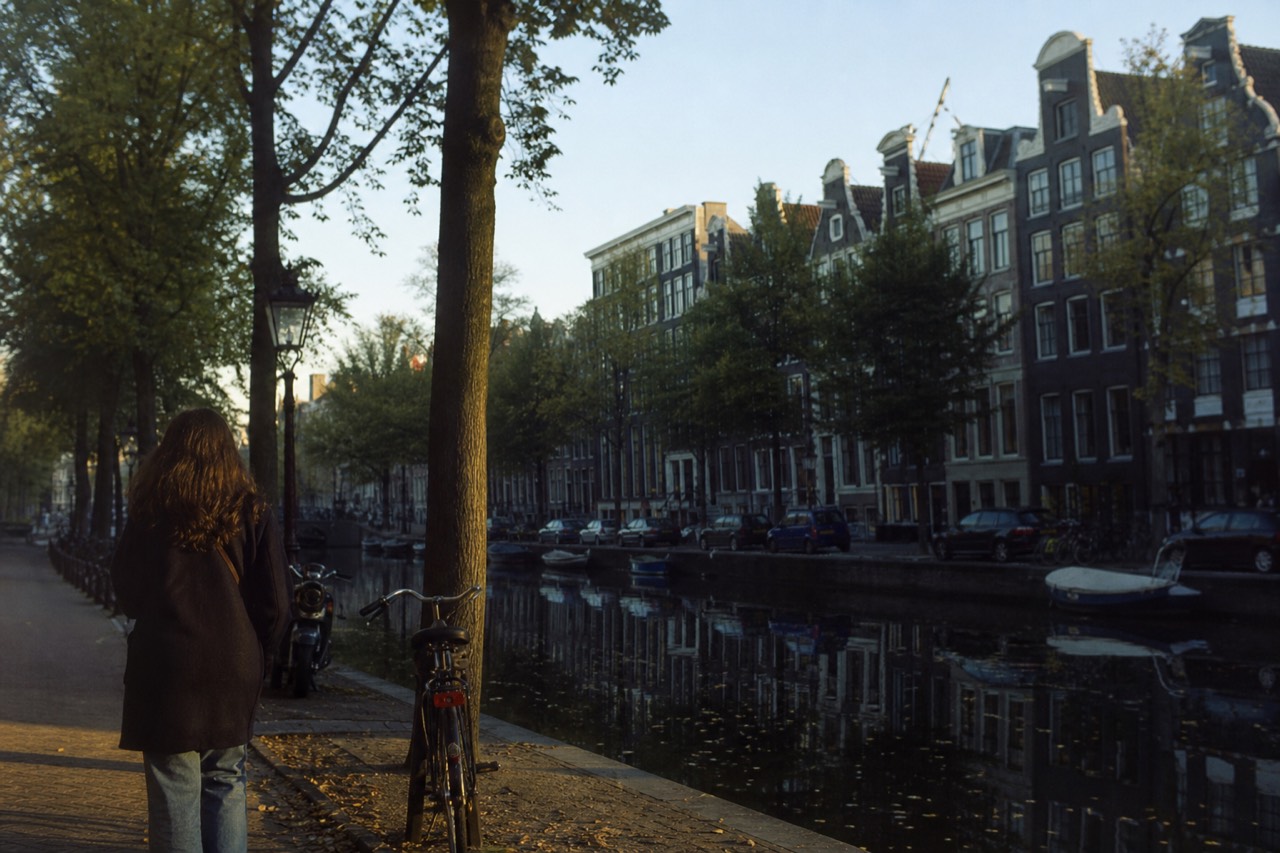
The four main canals are the Singel, the Herengracht, the Keizersgracht and the Prinsengracht, laid out as concentric arcs around the medieval old town. The Singel began as the city's outer moat, while the other three were dug as part of the great 17th-century expansion of the city. UNESCO inscribed this ring as a World Heritage Site in 2010, calling it the largest and most homogeneous urban extension of its time.
That inscription, the Seventeenth-Century Canal Ring Area of Amsterdam inside the Singelgracht, is the official name of the heritage listing, and the wording tells you a lot. The protected area is everything inside the Singelgracht, the outer belt of water and fortifications that replaced older city walls, and the four main canals sit at its heart. The plan was a long-term project: drain the swampland, cut canals in concentric arcs, fill the intermediate spaces with housing, and create a new port city to the west and south of the old town. UNESCO's own description calls it a model of large-scale town planning that served as a reference throughout the world until the 19th century.
The order of the canals matters, because it mirrors the social order of the 17th century. From the center outward you meet the Singel first, then the Herengracht, then the Keizersgracht, then the Prinsengracht. The richest merchants built on the Herengracht, closest to the centers of power. The Keizersgracht attracted moneyed families too, with slightly more understated facades. The Prinsengracht, outermost of the three new canals, was the most working-class of the ring, home to tradespeople, warehouses and small industry. The full story of how the ring was planned is covered in the guide to the Amsterdam canal ring.
The canal houses themselves are part of the story. Because building lots along the new canals were narrow and taxed by width, merchants built tall and deep, with ornate gables and hoisting beams at the roofline to haul goods up to the storage floors. That is why the facades along all four canals lean forward slightly in places, and why the gable shapes change as you walk: bell, neck, step and triangle gables each had their fashion moment, and the ring preserves them all in sequence.
| Canal | Position in the ring | Character |
|---|---|---|
| Singel | Innermost, wrapping the medieval core | Former defensive moat, now a lively central canal |
| Herengracht | First of the three new arcs | Grandest mansions, the Golden Bend, wealthiest merchants |
| Keizersgracht | Second of the three new arcs | Wide, stately, named for the emperor |
| Prinsengracht | Outermost of the main arcs | Longest of the four, working-class roots, houseboats and workshops |
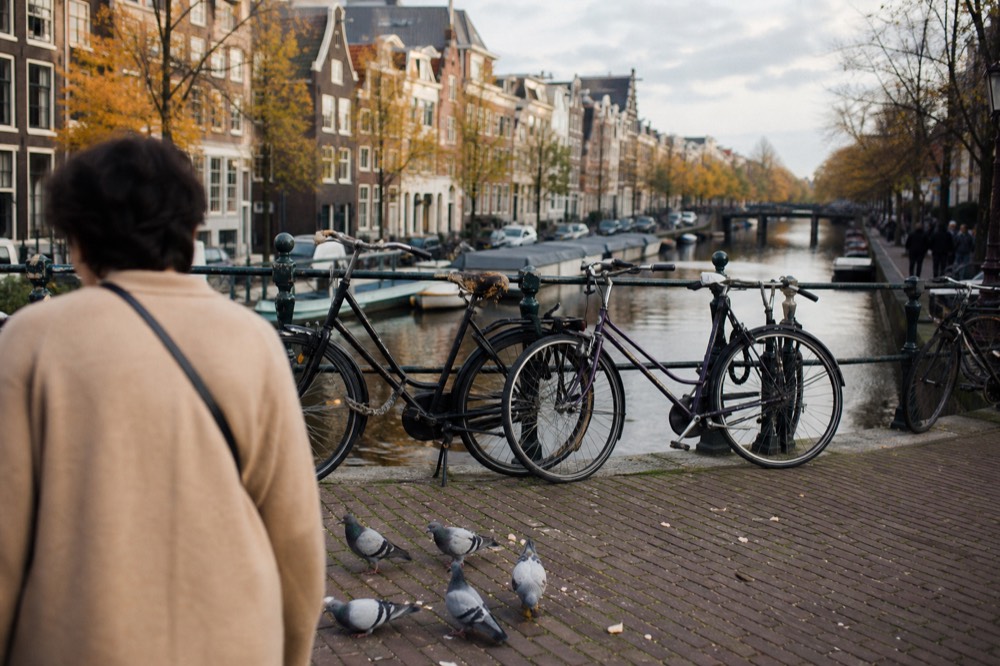
One honest caveat belongs here, because you will read a lot of confident-sounding numbers elsewhere. No official source gives a single agreed total canal length or canal count for Amsterdam. Online figures contradict each other wildly, and the sites repeating them rarely cite a primary source. What is verifiable is the shape of the ring, the names of the four main canals, and the heritage listing that protects them.
A sightseeing cruise offers a compact introduction to the central ring, but routes vary by operator and departure. Compare the listed itinerary if a particular canal matters to you.
A few practical notes help if you plan to walk the ring instead. The names follow a pattern worth knowing: gracht means canal, and the three new canals were named for the lords, the emperor and the princes of the House of Orange, in that same center-outward order. Crossing between the arcs is easy, because the ring is stitched together by short transverse canals plus a grid of bridges, so you can trace the Herengracht from the Golden Bend to the Amstel in a single straight line.
If you want to see the Golden Bend for yourself, it is the stretch of the Herengracht between the Leidsestraat and the Vijzelstraat, where the double-width lots allowed the grandest facades in the ring. On the Prinsengracht, the character shifts noticeably around the Westerkerk, where the houses are narrower and the houseboats are densest, which gives you the clearest single walk for comparing the two extremes of 17th-century Amsterdam society.
Which canal is the most famous canal in Amsterdam?
The Prinsengracht has the strongest claim to being Amsterdam's most famous canal, because it is the one most visitors actually recognize, lined with houseboats, cafes and the Anne Frank House. The Herengracht runs it close on grandeur, thanks to the Golden Bend, the stretch of spectacular merchant mansions that became the address of the city's richest families. If fame means postcard recognition, the Prinsengracht wins.
The Prinsengracht is the longest of the four main canals and it was always the most everyday one. Where the Herengracht was built for display, the Prinsengracht mixed housing with workshops, warehouses and small trade, and that mixed character survives. Today it is the canal people photograph: houseboats tied along the quays, cafe terraces at the water's edge, and bridges busy with cyclists. The Anne Frank House stands on the Prinsengracht, which alone guarantees the canal a place in most visitors' itineraries.
The Herengracht makes its case differently. The Golden Bend, the section between the Leidsestraat and the Vijzelstraat, holds some of the grandest canal houses in the city, double-wide lots built for families who wanted the world to know what they could afford. Walking the Herengracht is quieter than the Prinsengracht but the architecture is more imposing, and the canal rewards slow looking.
A one-hour sightseeing cruise offers a seated view of the canal district; check its route if either named canal is essential. The City Centre Canal Cruise covers the central ring on a one-hour loop with commentary in multiple languages, rated 4.3 across 21,189 reviews (checked September 2026), from $19 per person (checked September 2026). It is the format most first-time visitors end up choosing.
Why is the Singel not quite like the other three?
The Singel is different because it was never planned as part of the new canal ring: it was the medieval city's defensive moat, and only later became a fashionable residential canal. It wraps directly around the old center, making it the innermost of the four, and its history as a fortification explains its tighter curve and its position. The other three were engineered extensions.
That origin story shapes everything about the Singel today. Because it followed the outline of the old city rather than a surveyor's arc, it bends where the medieval walls bent. Its most famous landmark, the Munttoren, stands near where the moat met the city's eastern defenses, and the flower market along one stretch occupies the spot where the moat was eventually filled in on one side. The Singel also marks a practical boundary: inside it you are in the oldest Amsterdam, outside it you are in the 17th-century extension.
The Keizersgracht sits in the middle of the ring and is often described as the widest of the four, a deliberate statement of prestige. Its name honors Emperor Maximilian, who held a formal role in the Dutch provinces in the late medieval period, and the canal was designed as a grand residential axis rather than a working waterway. The Amstel River cuts straight through the ring, crossing all four canals, and the points where river meets canal are some of the best open views in the center.
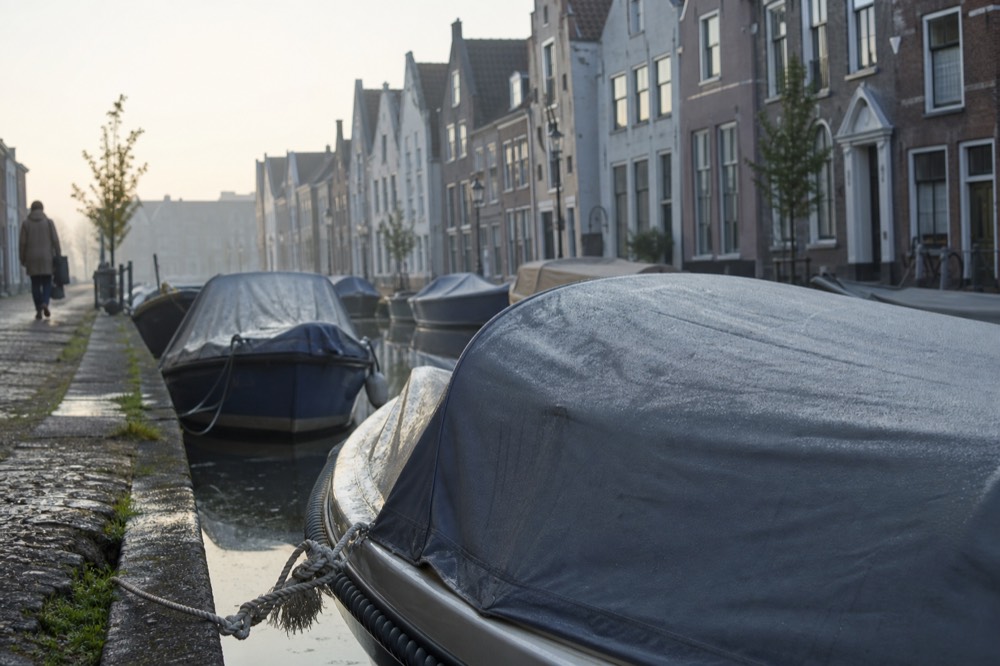
If you are planning to see the ring, the practical questions, from ticket types to departure points, are gathered in the canal cruise booking FAQ. And once you have picked your format, the fastest way to lock in a time slot on the central loop is straight from the operator's live listing.
How many bridges cross the four main canals?
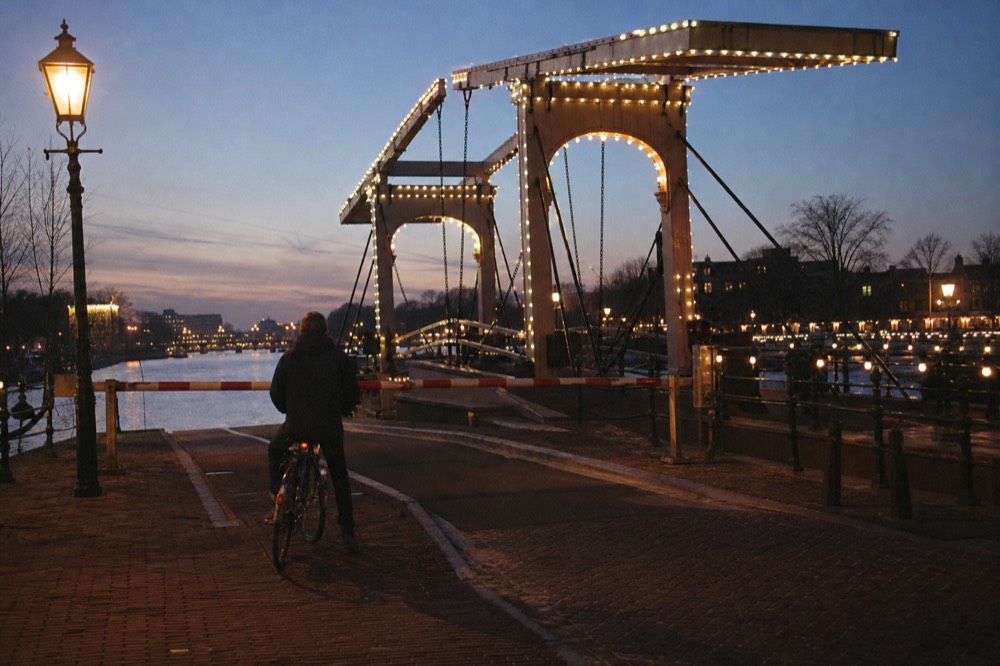
Amsterdam's official tourism board states the city has more than 1,200 bridges, and a large share of them cross the four main canals, though no official source breaks the total down canal by canal. The oldest bridge site in the city, the Torensluis, was completed in 1648 and is also Amsterdam's widest bridge. The Magere Brug, the Skinny Bridge, is the most iconic drawbridge.
The Torensluis crosses the Singel and was once part of the moat around Amsterdam, which fits the canal's defensive history. It survives as a broad, low structure that now carries a cafe in the middle, and it is one of the few places in the center where a bridge feels like a public square. The tourism board's own page on the city's bridges makes the point that with more than 1,200 of them, many have a story to tell, and the four main canals hold most of the stories visitors come for.
The Magere Brug, over the Amstel just where the river meets the canal ring, is a wooden double drawbridge and one of the most photographed spots in the city. The locally told legend says it was named after two sisters, the "magere" or skinny sisters, who lived on opposite banks and wanted an easier way to visit each other. Like a lot of Amsterdam legends it is probably not true, but it is told everywhere and it fits the bridge's narrow silhouette.
How do you see all four main canals in one trip?
A sightseeing cruise gives a compact water-level introduction to the canal ring, but a standard ticket does not guarantee all four named canals. Compare the operator’s route and departure point; if you want to see every canal, you can also plan a walk between them. Daylight favours architectural detail, while after-dark sailings offer illuminated bridges.
On foot, a realistic loop of the four canals, walking one canal out and another back, takes a good few hours at a relaxed pace, and the cobbles and bicycle traffic slow you down further. From the water a 60- to 90-minute cruise covers its operator’s selected route with commentary, and you see the canal houses the way their builders intended, from the water, approaching the facades head-on. The difference is not just convenience: the gables, hoisting beams and rooflines that define Amsterdam's architecture read differently from a boat.
The choice between formats mostly comes down to time of day and what you want alongside the sightseeing. The basic audio-guide cruises from $16 per person (checked September 2026) are pure sightseeing. Heated or covered boats, like Captain Jack's all-inclusive tour from $47 per person (checked September 2026), add drinks and comfort, which matters in the colder months. Evening cruises with optional wine, with the selected extras priced at booking, swap architectural detail for atmosphere: the same bridges and gables, but lit from below and reflected in black water.
If you are weighing whether a canal cruise is worth doing at all, that question gets a straight answer in is it worth doing a canal cruise in Amsterdam?. And if you would rather compare the daytime and evening options in detail, the guide to the canal cruise day versus night breaks down the trade-offs, and our piece on whether the canals still freeze covers the coldest end of that same seasonal question.
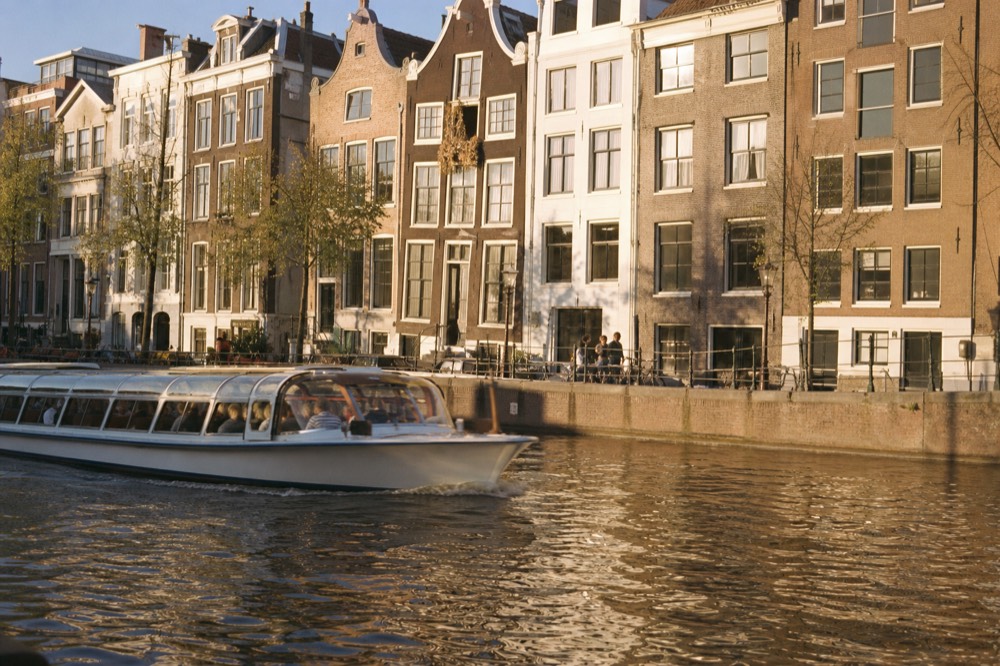
One thing worth knowing before you book anything on the water: Amsterdam is actively managing how many boats operate on these canals. The city wanted a hard ceiling of 550 passenger-boat permits, but its own top administrative court, the Council of State, struck down part of the 2024 implementation for being under-justified, finding the city had not shown the cap was suitable and necessary. A moratorium on new operating permits has been in place since 25 September 2024 and runs to 1 April 2027 while the policy is rewritten. For you as a visitor the practical effect is simple: permit policy does not guarantee which boats or routes will operate on your travel date, which is why Amsterdam Canal Cruises keeps its listings to the established operators.
The four main canals are the Singel, the Herengracht, the Keizersgracht and the Prinsengracht, in that order from the center outward, and the Prinsengracht is the most famous of the four. The Singel was a medieval moat, the other three were dug in the 17th century, and sightseeing routes vary by operator and departure. The questions below cover the details visitors ask most.
Common questions about Amsterdam's main canals
What Are the Four Main Canals in Amsterdam?
The four main canals are the Singel, the Herengracht, the Keizersgracht and the Prinsengracht. The Singel was the medieval city's defensive moat, while the other three were dug as concentric arcs during the great 17th-century expansion. Together they form the core of the area UNESCO inscribed as a World Heritage Site in 2010.
Which canal is the most famous canal in Amsterdam?
The Prinsengracht has the strongest claim, thanks to its houseboats, cafe-lined quays and the Anne Frank House. The Herengracht is its main rival, holding the Golden Bend, the stretch of grand merchant mansions built by the city's wealthiest families.
Is the Singel one of the main canals?
Yes, but it is the odd one out. The Herengracht, Keizersgracht and Prinsengracht were engineered as part of the 17th-century ring, while the Singel already existed as the medieval city's outer moat and was later absorbed into the plan as the innermost canal.
Which canal is the Anne Frank House on?
The Anne Frank House stands on the Prinsengracht, the outermost of the three new 17th-century canals. This is one of the main reasons the Prinsengracht is the canal most visitors recognize.
How many bridges cross Amsterdam's canals?
Amsterdam's official tourism board states the city has more than 1,200 bridges. The oldest, the Torensluis over the Singel, was completed in 1648 and is also the city's widest bridge, while the Magere Brug is its most iconic drawbridge.
Can you see all four canals on one cruise?
Routes differ by operator and departure; none of the recommended listings guarantees all four canals on every sailing. Check the listed itinerary for any canal you particularly want to see. Daytime and evening departures also offer different light.
Match Your Plans And Compare Costs
Editorial starting point. Confirm your date, party requirements and meeting point before booking.
One-Hour Canal Cruise With Departure Options: canal cruise and audio guide Not suitable for wheelchair users
One-Hour Electric Cruise With Optional Open Bar: Electric-boat cruise; unlimited water, sodas, Heineken beer and wine only if option selected Not wheelchair accessible; Infants on laps; Maximum 30 travelers
Compare Your Actual Quotes
Enter complete totals for the same party and date, in one currency. For a private boat use the whole-boat quote; for shared tickets add every passenger. These are your quotes, not live prices.
Compare the route, time on board, meals, drinks and cancellation terms alongside the price difference.